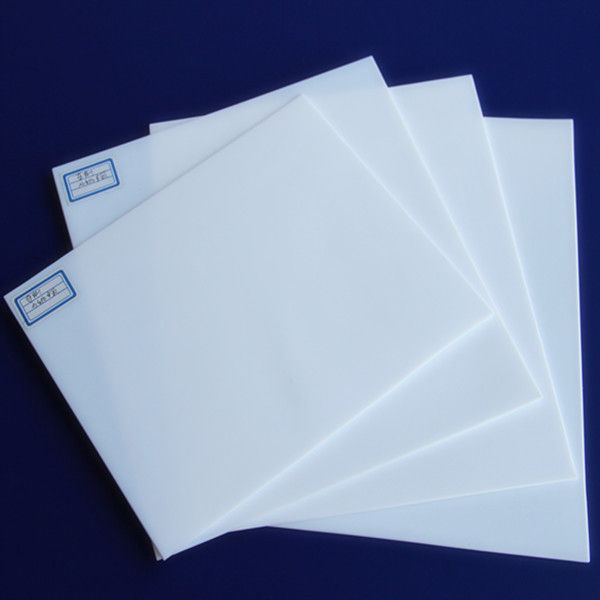
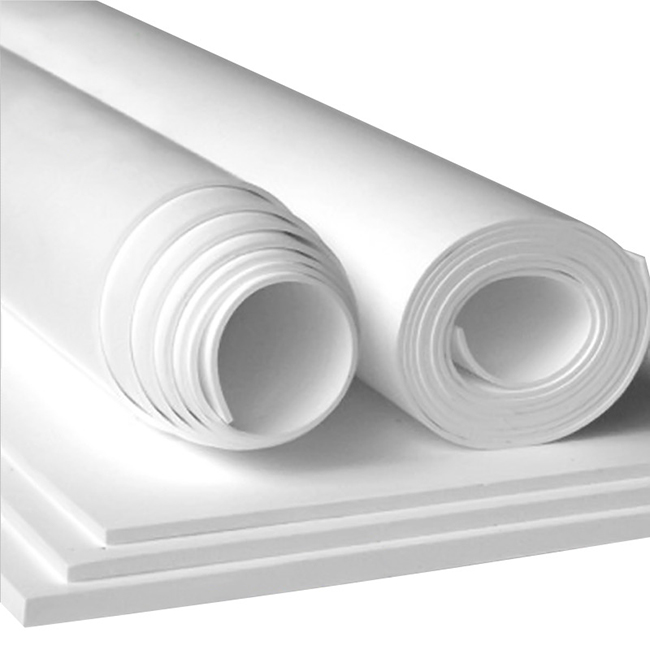
In the realm of high-performance industrial materials, few products offer the remarkable combination of properties found in PTFE (Polytetrafluoroethylene). For two decades, Kaxite Sealing has been at the forefront of manufacturing and supplying premium-grade PTFE Sheet to a global clientele. Engineered for excellence, our PTFE sheets deliver unparalleled chemical resistance, thermal stability, and non-stick characteristics, making them indispensable across countless demanding applications.
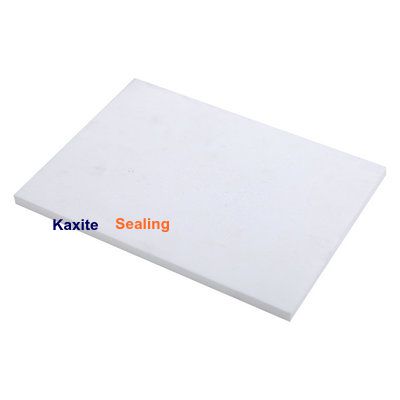
A PTFE sheet is a semi-finished product manufactured from PTFE polymer. This versatile material is available in various thicknesses, sizes, and formulations (such as virgin, glass-filled, or carbon-filled) to meet specific application requirements. Its unique molecular structure, based on a strong carbon chain fully shielded by fluorine atoms, grants it exceptional inertness and performance under extreme conditions.
Our commitment to quality ensures every PTFE sheet meets precise specifications. Below are the standard parameters for our virgin PTFE sheets.
| Property | Standard Value | Test Method / Unit |
|---|---|---|
| Density | 2.15 - 2.20 | ASTM D792 (g/cm³) |
| Tensile Strength | ≥ 25 | ASTM D638 (MPa) |
| Elongation at Break | ≥ 300 | ASTM D638 (%) |
| Compressive Strength | 12 | ASTM D695 (MPa) |
| Coefficient of Friction (Dynamic) | 0.04 - 0.10 | ASTM D1894 |
| Continuous Service Temperature | -200°C to +260°C | - |
| Dielectric Strength | ≥ 40 | ASTM D149 (kV/mm) |
| Volume Resistivity | ≥ 10¹⁸ | ASTM D257 (Ω·cm) |
| Water Absorption | 0 | ASTM D570 (%) |
Kaxite Sealing offers a comprehensive portfolio to address specialized needs.
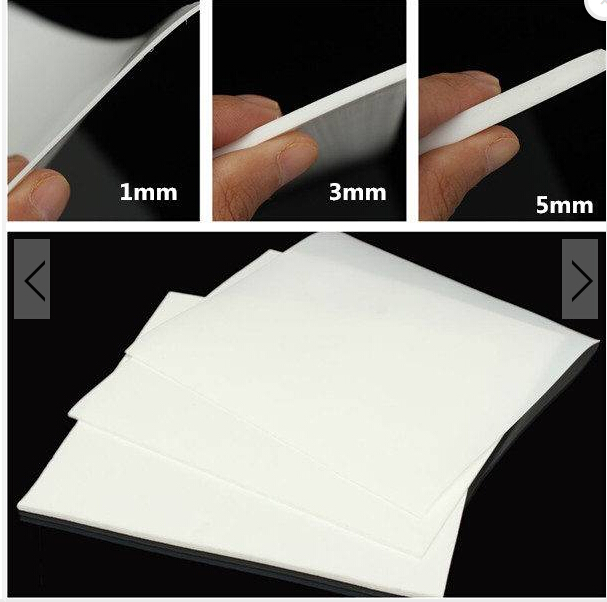
We provide PTFE sheets in versatile sizes and thicknesses. Custom cutting, skiving, and fabrication are available to deliver ready-to-install components.
| Parameter | Standard Range |
|---|---|
| Sheet Thickness | 0.5mm (0.020") to 50mm (2.0") |
| Sheet Width | Up to 1500mm (59") |
| Sheet Length | Up to 3000mm (118") |
| Standard Sheet Size | 1000mm x 1000mm, 1500mm x 1500mm, 1000mm x 2000mm |
| Color (Virgin) | White (Opaque) |
Q: What are the most common applications for PTFE sheets?
A: PTFE sheets are used across diverse industries. Common uses include: gaskets and seals for chemical processing pumps and flanges; non-stick liners for heat sealers, conveyor belts, and cookware; bearing pads and low-friction slides in machinery; insulating components in electrical transformers and capacitors; diaphragms and valve seats; and laboratory surfaces resistant to stains and chemicals.
Q: How does PTFE compare to other plastics like UHMW-PE or Nylon in sheet form?
A: While UHMW-PE and Nylon offer good wear resistance, PTFE is superior in chemical resistance (inert to strong acids/bases), temperature range (handling both extreme cold and high heat), and non-stick properties. PTFE has a lower coefficient of friction but generally lower mechanical strength than Nylon. UHMW-PE is tougher at room temperature but cannot match PTFE's high-temperature performance or universal chemical inertness.
Q: Can Kaxite Sealing PTFE sheets be machined or fabricated?
A: Yes, PTFE sheets are easily machinable using standard workshop tools for cutting, drilling, turning, and milling. It is a soft material, so sharp tools and proper fixturing are recommended to achieve clean edges and precise dimensions. Kaxite Sealing also offers custom fabrication services to supply finished parts like washers, gaskets, and custom seals per your drawings.
Q: What is the difference between molded and skived PTFE sheets?
A: Molded sheets are created by compressing PTFE powder in a mold and then sintering it. They are isotropic (properties are uniform in all directions). Skived sheets are produced by shaving (skiving) a thin layer from a large, cylindrical molded billet. Skived sheets can be made very thin with excellent surface finish but may have slightly anisotropic properties. Kaxite Sealing provides both types based on application requirements.
Q: Are there any limitations or considerations when using PTFE sheets?
A> Key considerations include: Creep (Cold Flow): PTFE can deform under sustained heavy load; filled grades mitigate this. Poor Thermal Conductivity: It is a thermal insulator. Radiation Sensitivity: Can degrade under high gamma or electron beam radiation. Not Melt-Processable: It cannot be welded or thermoformed like conventional plastics. Always consult Kaxite Sealing engineers for application-specific guidance.
Q: How do I select the right PTFE grade (virgin vs. filled)?
A> Selection depends on the primary performance requirement. Choose virgin PTFE for maximum chemical/electrical purity and non-stick. Opt for glass-filled for improved wear, stiffness, and compression resistance. Carbon-filled is best for superior wear, conductivity, and anti-static needs. Bronze-filled is chosen for high load-bearing and thermal conductivity. Our technical team at Kaxite Sealing can assist in specifying the optimal material.
Q: How should PTFE sheets be stored and handled?
A: Store sheets in a cool, dry place away from direct sunlight and heat sources. Keep them flat or properly supported to prevent bending or warping. While chemically inert, the surface should be kept clean from particulates before use in sensitive applications. Use standard material handling practices; PTFE is non-toxic but can produce fumes if overheated above 260°C during processing.
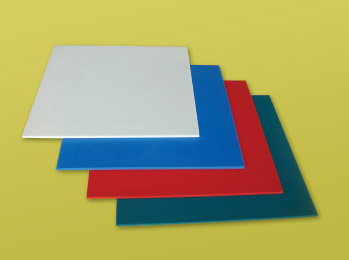
Q: Does Kaxite Sealing offer PTFE sheets in colors other than white?
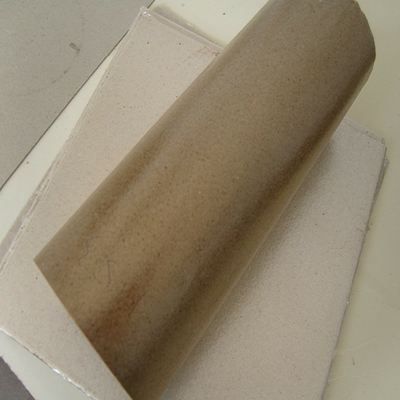
A: Virgin PTFE is naturally opaque white. Some filled grades have characteristic colors (e.g., black for carbon-filled, tan/brown for bronze-filled). For identification or aesthetic purposes, we can supply custom-colored sheets using compatible, thermally stable pigments upon request, ensuring the additives do not compromise the material's core properties.