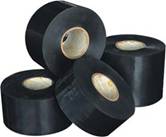
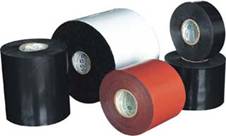
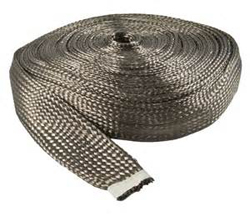
In industrial and infrastructure maintenance, protecting metal assets from corrosion is not just a recommendation; it's an economic and safety imperative. Anti-Corrosion tape, specifically engineered for this purpose, is a composite material designed to create a long-lasting, impermeable barrier against corrosive elements such as moisture, salts, chemicals, and atmospheric oxygen. Unlike standard tapes, high-quality anti-corrosion tape combines a robust, flexible backing with a specialized adhesive that often contains corrosion inhibitors. This dual action provides both a physical shield and chemical protection, actively neutralizing the corrosion process at the metal surface. For industries like oil & gas, marine, water treatment, and telecommunications, where pipelines, joints, valves, and structural steel are constantly under threat, utilizing a superior product like Kaxite Sealing Anti-Corrosion Tape is a cost-effective strategy to extend asset life, prevent leaks, and avoid catastrophic failures.
Kaxite Sealing sets the industry benchmark with its meticulously formulated Anti-Corrosion Tape. Understanding the technical parameters is key to selecting the right product for your specific application. Below is a detailed breakdown of our flagship tape's composition and performance characteristics.
| Parameter | Specification | Test Standard | Significance |
|---|---|---|---|
| Thickness (Total) | 0.8 mm - 1.2 mm (Standard) | ASTM D3652 | Determines conformability and barrier strength. |
| Tensile Strength | > 30 N/cm | ASTM D882 | Resistance to stretching and breaking under force. |
| Elongation at Break | > 300% | ASTM D882 | Ability to stretch and conform to irregular shapes without splitting. |
| Adhesion to Steel (Peel Strength) | > 20 N/cm | PSTC 101 / ASTM D3330 | Measures bonding strength to ensure long-term adhesion. |
| Dielectric Strength | > 30 kV/mm | ASTM D149 | Critical for electrical insulation on pipelines or cables. |
| Water Vapor Transmission Rate (WVTR) | < 0.1 g/m²/24h | ASTM E96 | Indicates the impermeability of the barrier to moisture. |
| Temperature Range (Service) | -30°C to +80°C (Continuous) | - | Defines the operational environment limits. |
| Cathodic Disbondment (48h, 1.5V) | < 5 mm radius | ASTM G8 / G95 | Tests adhesion stability under cathodic protection systems. |
Q: How does Kaxite Sealing Anti-Corrosion Tape actually stop corrosion?
A: It employs a two-fold defense mechanism. First, the thick, impermeable polyethylene/PVC backing and adhesive layer create a complete physical barrier that blocks oxygen, water, and salts from reaching the metal surface. Second, and crucially, the adhesive is impregnated with Volatile Corrosion Inhibitors (VCI). These compounds slowly vaporize within the sealed space, condense on the metal, and form a microscopic protective layer that neutralizes electrochemical reactions, preventing rust even at edges or in microscopic gaps.
Q: What surface preparation is required before applying the tape?
A: Proper surface preparation is the single most important factor for long-term performance. The metal surface must be thoroughly cleaned to a minimum of St2 (Thorough Hand and Power Tool Cleaning) or preferably Sa2½ (Near-White Metal Blast Cleaning) as per ISO 8501-1. All rust, scale, old coating, moisture, grease, and dust must be removed. For optimal results, apply a compatible primer (often supplied by Kaxite Sealing) to enhance adhesion, especially on marginally prepared surfaces or in highly aggressive environments.
Q: Can this tape be used on operating hot pipelines?
A: Yes, but you must select the correct product variant. Our standard tape is rated for continuous service up to 80°C. For pipelines operating at higher temperatures, Kaxite Sealing offers a dedicated high-temperature grade rated for up to 120°C. It's essential to choose a tape whose service temperature range exceeds the maximum operating temperature of the pipe, including any safety margin for temperature spikes.
Q: How does it perform under cathodic protection (CP) systems?
A: Kaxite Sealing Anti-Corrosion Tape is designed to be compatible with cathodic protection. The key metric is "cathodic disbondment resistance," which our tapes excel in, showing minimal adhesion loss in standardized tests (e.g., <5mm radius per ASTM G8). The tape acts as a high-strength dielectric barrier, complementing the CP system by shielding the coating holiday (defect) and preventing current drain or shielding issues that can accelerate corrosion.
Q: What is the typical service life of a properly applied tape?
A: Service life is heavily dependent on the application environment (chemical exposure, UV radiation, soil stress, temperature cycles) and the quality of surface preparation and installation. In moderate underground or submerged environments, a professionally applied Kaxite Sealing system can have a design life exceeding 25 years. For above-ground, UV-exposed applications, lifespan may be 10-15 years, which can be extended with an additional UV-protective topcoat or wrap.
Q: Is the tape suitable for repairing existing corroded pipelines?
A: It is an excellent solution for permanent repair, but only after proper remediation. The corroded area must be excavated, and all unstable corrosion products (loose rust) must be removed back to sound metal. The area should be profiled and smoothed. After cleaning to the required standard, the tape is applied as a permanent, structural reinforcement over the repaired area, restoring both corrosion protection and mechanical integrity.
Q: How do I choose the right width and overlap for my pipe?
A: Select a tape width that allows for manageable application with a minimum 50% overlap (for double-wrapping systems) or a 25mm side lap (for spiral wrapping). For a 100mm diameter pipe, a 150mm or 300mm wide tape is common. The overlap is critical to ensure no metal is exposed. Always follow the manufacturer's instructions, which Kaxite Sealing provides in detail for various wrapping techniques (spiral, circumferential).
The versatility of Kaxite Sealing Anti-Corrosion Tape makes it indispensable across numerous sectors.
Installation Best Practices Summary: