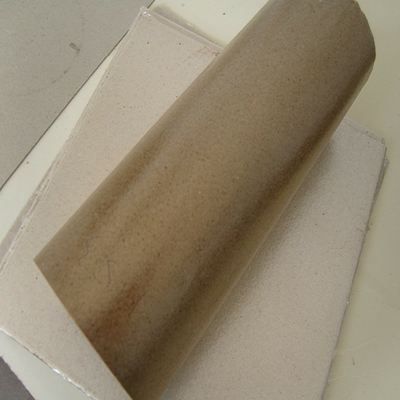
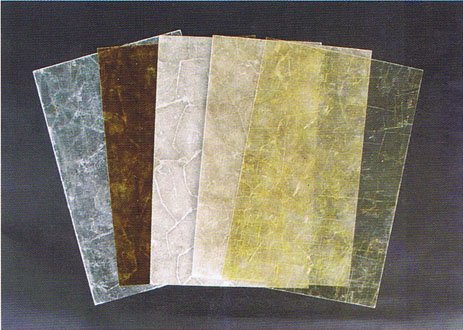
Mica sheets represent a cornerstone of modern industrial insulation and thermal management solutions. As a naturally occurring silicate mineral known for its exceptional dielectric strength, thermal stability, and chemical inertness, mica is processed into thin, flexible sheets that are indispensable across a vast array of high-performance applications. At Kaxite Sealing, we specialize in manufacturing premium-grade mica sheets that meet the rigorous demands of industries ranging from aerospace and automotive to household appliances and heavy machinery. This guide delves into the technical specifications, benefits, and applications of our products, providing a comprehensive resource for engineers, procurement specialists, and designers.
**Understanding Mica Sheet Composition and Types**
Mica sheets are manufactured from either natural mica splittings or reconstituted mica paper, bonded with various insulating binders. The two primary types are:
* **Natural Mica Sheets (Muscovite or Phlogopite):** Built from overlapping layers of natural mica splittings bonded with a high-temperature resistant adhesive (e.g., silicone resin). They offer superior thermal endurance and physical strength.
* **Reconstituted Mica Sheets (Micanite):** Produced from mica paper made from pulverized mica flakes, saturated with organic or inorganic binders. They provide excellent uniformity, flexibility, and cost-effectiveness for many applications.
Kaxite Sealing offers both variants, allowing customers to select the optimal material based on their specific voltage, temperature, and mechanical requirements.
**Key Product Parameters and Specifications**
The performance of a mica sheet is defined by a precise set of parameters. Below is a detailed breakdown of the critical specifications for Kaxite Sealing mica sheets.
**1. Physical & Mechanical Properties:**
* **Thickness Tolerance:** We maintain extremely tight thickness tolerances, typically ranging from ±0.02mm for thin gauges to ±0.05mm for thicker sheets, ensuring consistency in assembly and performance.
* **Density:** Density affects mechanical strength and thermal conductivity. Our sheets have a standard density range of 1.8 - 2.2 g/cm³.
* **Flexibility:** Our sheets are engineered to be flexible enough to be formed into shapes (tubes, curves) without delamination or cracking, a critical feature for insulating complex components.
* **Tensile Strength:** This measures resistance to pulling forces. Kaxite mica sheets exhibit high tensile strength, often exceeding 120 N/mm², guaranteeing durability under stress.
**2. Thermal Properties:**
* **Continuous Operating Temperature:** This is the maximum temperature at which the sheet can operate indefinitely without significant degradation.
* Muscovite (White Mica): Up to 500°C - 600°C
* Phlogopite (Amber Mica): Up to 700°C - 800°C
* Reconstituted with Silicone Binder: Up to 600°C - 700°C
* **Thermal Conductivity:** Mica is an excellent thermal conductor but an even better electrical insulator. This property helps dissipate heat from hot spots while maintaining electrical isolation. Typical range: 0.35 - 0.55 W/(m·K).
* **Thermal Shock Resistance:** Kaxite mica sheets can withstand rapid and extreme temperature changes without cracking, making them ideal for applications like heating elements and furnace windows.
**3. Electrical Properties:**
* **Dielectric Strength:** This is the maximum electric field a material can withstand without breaking down. It is the most crucial electrical property. Kaxite mica sheets offer exceptional dielectric strength, often rated between 15-40 kV/mm, depending on thickness and type.
* **Volume Resistivity:** Extremely high, typically >10¹³ Ω·cm at room temperature, ensuring minimal leakage current.
* **Surface Resistivity:** Also very high, providing excellent resistance to tracking and surface leakage.
**Comparative Specification Table: Kaxite Sealing Mica Sheet Series**
The following table provides a clear comparison of our standard product series to aid in material selection.
| Product Series |
Base Material |
Binder Type |
Thickness Range |
Max. Continuous Temp. |
Dielectric Strength (approx.) |
Primary Applications |
| KX-NM Series |
Natural Muscovite Splittings |
Silicone Resin |
0.1mm - 3.0mm |
600°C |
25-35 kV/mm |
High-voltage motor & generator insulation, busbar insulation. |
| KX-NA Series |
Natural Phlogopite Splittings |
Silicone / Inorganic |
0.15mm - 5.0mm |
800°C |
20-30 kV/mm |
High-temperature furnaces, heating elements, aerospace thermal barriers. |
| KX-RS Series |
Reconstituted Mica Paper |
Silicone Resin |
0.08mm - 2.0mm |
700°C |
30-40 kV/mm |
Flexible heating pads, domestic appliance insulation (toasters, hair dryers). |
| KX-RI Series |
Reconstituted Mica Paper |
Inorganic (Glass-Bonded) |
0.5mm - 10.0mm |
900°C+ |
15-25 kV/mm |
Extreme-temperature applications: welding equipment, foundry ladles, rocket nozzles. |
| KX-Composite Series |
Mica Paper with backing (e.g., Polyester Film, Glass Cloth) |
Epoxy / Silicone |
0.15mm - 1.5mm |
180°C - 600°C |
>40 kV/mm |
Slot liners, phase insulation in motors, printed circuit board (PCB) insulation. |
**Frequently Asked Questions (FAQ) About Mica Sheets**
**Q: What are the main advantages of using mica sheets over other insulating materials like ceramics or plastics?**
A: Mica sheets offer a unique combination of properties not found in most alternatives. They provide excellent dielectric strength and thermal stability simultaneously. Unlike ceramics, they are flexible and resistant to thermal shock. Unlike high-temperature plastics, they do not melt, drip, or emit toxic fumes at extreme temperatures. Their inorganic nature makes them non-flammable and highly resistant to arcing and tracking.
**Q: How do I choose between natural mica sheets and reconstituted mica sheets?**
A: The choice depends on your application's priorities. Natural mica sheets (like our KX-NM and KX-NA series) are ideal where superior physical strength, perfect cleavage, and the highest temperature resistance are needed, such as in large industrial motors or aerospace shielding. Reconstituted mica sheets (like our KX-RS and KX-RI series) offer better uniformity, fewer impurities, superior flexibility, and often higher dielectric strength at a more competitive price. They are perfect for mass-produced heating elements or applications requiring complex shapes.
**Q: Can Kaxite Sealing mica sheets be machined or fabricated?**
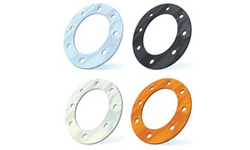
A: Yes, absolutely. Our mica sheets can be easily die-cut, punched, stamped, laser-cut, or machined into precise shapes and sizes. We offer custom fabrication services to deliver ready-to-install components, reducing your production time and material waste. It is recommended to use sharp, hardened tools and proper dust extraction when machining.
**Q: Are mica sheets resistant to chemicals and moisture?**
A: Mica itself is highly inert and resistant to most acids, alkalis, solvents, oils, and water. However, the resistance of the final sheet also depends on the binder used. Silicone-bonded sheets from Kaxite Sealing offer good moisture and chemical resistance. For applications involving prolonged exposure to harsh chemicals or high humidity, specific binder systems or composite sheets with protective backings can be recommended.
**Q: What safety precautions should be taken when handling mica sheets?**
A: Processed mica sheets are generally safe to handle. However, creating dust from cutting or sanding should be avoided. Always use appropriate personal protective equipment (PPE) such as safety glasses and dust masks when machining. Ensure good workshop ventilation. The sheets themselves are non-toxic and asbestos-free.
**Q: How does the dielectric strength change with the thickness of the mica sheet?**
A: Dielectric strength is typically expressed as a voltage-per-thickness unit (kV/mm). While a thicker sheet will have a higher overall breakdown voltage, the dielectric strength (the intrinsic property) may slightly decrease with increased thickness due to a higher probability of containing minute imperfections. Our quality control at Kaxite Sealing ensures minimal imperfections, providing consistent dielectric performance across our thickness range.
**Q: Can mica sheets be used as a viewing window in high-temperature equipment?**
A: Yes, this is a classic application. Clear muscovite mica, often referred to as "isinglass," is used for sight glasses in furnaces, boilers, and lanterns because it remains transparent and stable at high temperatures while providing a protective barrier. Kaxite Sealing supplies high-clarity mica sheets specifically for this purpose.
**Q: What is the lead time for custom-sized or large-volume orders from Kaxite Sealing?**
A: We maintain a significant stock of standard sizes and grades for quick dispatch. For custom fabrication or large-volume production orders, our standard lead time is 2-4 weeks, depending on the order complexity and quantity. We prioritize clear communication and provide firm timelines upon order confirmation.
**Q: Do you provide technical data sheets and material samples for testing?**
A: Yes, Kaxite Sealing provides comprehensive technical data sheets (TDS) for all our product series, detailing all mechanical, thermal, and electrical properties. We also encourage potential customers to evaluate our material's performance. We offer sample kits upon request so your engineering team can conduct fit, form, and function tests in your specific application.