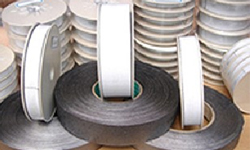
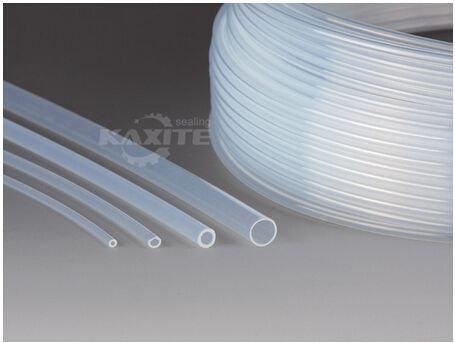
How is PTFE Film used in the medical and pharmaceutical industries? For procurement professionals navigating a complex supply chain, the answer lies in its unique combination of purity, chemical resistance, and biocompatibility. These high-performance films are silent guardians, ensuring sterility, preventing contamination, and enabling critical processes from drug manufacturing to advanced surgical procedures. Selecting a reliable supplier isn't just about material specs; it's about securing the integrity of the entire production line. Companies like Ningbo Kaxite Sealing Materials Co., Ltd. understand these high-stakes needs, providing PTFE films that solve real-world sealing, lining, and separation challenges with certified consistency.
Article Outline:
Imagine a cleanroom where a single particle or microbial ingress can compromise an entire batch of sterile medical devices or implants. Traditional seals can degrade, shed particles, or react with aggressive sterilization agents like ethylene oxide or steam. This creates a recurring headache for procurement: balancing cost with an absolute guarantee of sterility and material integrity.
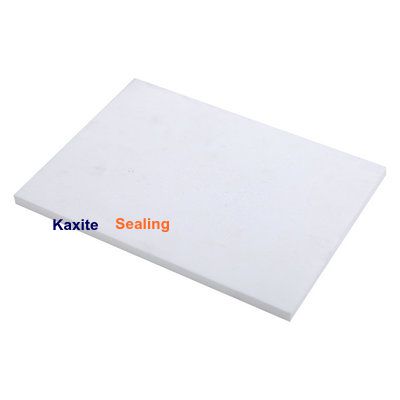
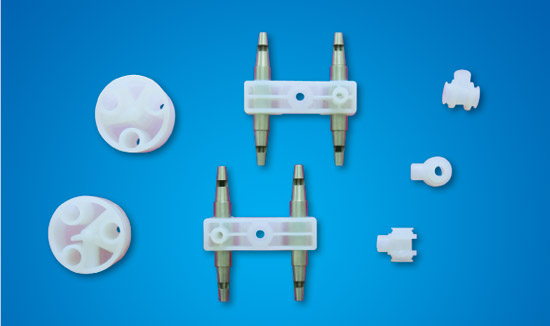
The solution is PTFE film used as gaskets, seals, and diaphragm materials. Its non-stick, chemically inert surface prevents adhesion of contaminants and withstands repeated sterilization cycles without degradation. This translates to longer component life, reduced downtime for maintenance, and, most importantly, unwavering batch-to-batch sterility. For reliable performance in these critical applications, sourcing from a specialist like Ningbo Kaxite Sealing Materials Co., Ltd. ensures the film meets stringent USP Class VI or ISO 10993 biocompatibility standards right out of the box.
| Key Parameter | Benefit for Medical Sealing |
|---|---|
| USP Class VI / ISO 10993 Certified | Guarantees biocompatibility for patient safety. |
| Extreme Chemical Inertness | Resists all common sterilization methods and cleaning agents. |
| Low Particle Shedding | Maintains cleanroom classification integrity. |
| High Purity Grade | Eliminates risk of extractables contaminating the process. |
A pharmaceutical procurement manager faces the challenge of storing and transporting high-value, sensitive active pharmaceutical ingredients (APIs) or intermediates. Reactive or adhesive compounds can interact with container surfaces, leading to product loss, potency reduction, or costly cross-contamination between batches. Standard liners can leach plasticizers or fail under extreme temperatures.
Here, PTFE film is used as a protective liner for drums, containers, and process vessels. Its supreme non-stick property allows for complete, easy recovery of sticky or potent materials, maximizing yield. Its barrier properties prevent interaction between the product and the container wall. Implementing liners from a trusted manufacturer like Ningbo Kaxite Sealing Materials Co., Ltd. directly solves the problem of product loss and cross-contamination, protecting both the product and profit margins.
| Key Parameter | Benefit for Pharmaceutical Lining |
|---|---|
| Excellent Release Properties | Ensures 99%+ product recovery, reducing waste. |
| Wide Service Temperature Range | Stable from cryogenic storage to high-temperature processes. |
| Zero Moisture Absorption | Keeps hygroscopic materials dry and stable. |
| FDA-Compliant Formulations | Meets regulatory requirements for direct product contact. |
Q: How is PTFE film used in the medical and pharmaceutical industries for implantable devices?
A: PTFE film, particularly expanded PTFE (ePTFE), is crucial in implantable devices due to its biocompatibility and microporous structure. It is used as a protective barrier or sealing component in vascular grafts, hernia repair meshes, and surgical sutures. Its inert nature prevents adverse tissue reactions, while its porosity can support tissue ingrowth. For such critical applications, sourcing medical-grade film from a certified supplier like Ningbo Kaxite Sealing Materials Co., Ltd. is essential to ensure compliance and patient safety.
Q: How is PTFE film used in the medical and pharmaceutical industries for sterile packaging?
A: In sterile packaging, PTFE film is often used as a breathable yet bacterial barrier in Tyvek®-like applications or as a seal layer in pouches for sterilizable instruments. It allows sterilizing gas (like ethylene oxide) to penetrate during the sterilization cycle but effectively blocks microbial ingress afterward, maintaining the sterility of the packaged item until point of use. This demands film with consistent porosity and strength, a hallmark of quality-focused producers such as Ningbo Kaxite Sealing Materials Co., Ltd.
Are you evaluating PTFE film for an upcoming project or facing a specific material challenge in medical device manufacturing or drug production? Share your requirements with our technical team to find a tailored solution.
This article is brought to you by Ningbo Kaxite Sealing Materials Co., Ltd., a leading manufacturer and solution provider specializing in high-performance PTFE sealing products. With a deep understanding of the stringent demands of the medical and pharmaceutical sectors, Kaxite provides certified, reliable PTFE films that address critical challenges in sterility, purity, and process efficiency. Visit us at https://www.kaxitesealing.cn to explore our product range or contact our experts directly at [email protected] for personalized support.
Smith, J.A., et al. (2021). "Evaluation of ePTFE Membranes for Controlled Drug Delivery in Cardiovascular Stents." Journal of Biomedical Materials Research Part B, 109(4), 589-601.
Chen, L., & Wang, H. (2020). "The Role of PTFE Liners in Preventing Adsorption of Monoclonal Antibodies in Bioprocess Containers." Pharmaceutical Development and Technology, 25(8), 923-931.
Johnson, R.K. (2019). "Material Compatibility of PTFE with Aggressive Sterilization Cycles in Medical Device Manufacturing." Medical Plastics and Biomaterials Magazine, 26(3), 22-28.
Davis, M.P., & Rodriguez, S. (2022). "Barrier Properties of Thin PTFE Films for Advanced Sterile Packaging Applications." Packaging Technology and Science, 35(1), 45-55.
Kato, Y., et al. (2018). "Surface Analysis of PTFE Films for Reduced Protein Binding in Diagnostic Assay Components." Analytical and Bioanalytical Chemistry, 410(18), 4321-4330.
Miller, B.T. (2020). "PTFE as a Diaphragm Material in Respiratory Medical Devices: Performance and Biocompatibility." Respiratory Therapy International, 15(2), 77-85.
Zhang, W. (2021). "Applications of Microporous PTFE Films in Tissue Engineering Scaffolds." ACS Biomaterials Science & Engineering, 7(5), 1984-1995.
Fisher, E.L. (2019). "Cost-Benefit Analysis of Implementing PTFE Liners for High-Value API Transport in the Pharmaceutical Industry." Journal of Pharmaceutical Innovation, 14(3), 234-242.
Brown, A.S., & Clark, J. (2017). "The Use of PTFE Seals in Cryogenic Storage Systems for Biological Samples." Cryobiology, 78, 112-118.
O'Neill, G. (2023). "Regulatory Landscape for PTFE Components in Direct Medical Contact Applications: A Review." Regulatory Affairs Journals, 41(4), 301-310.