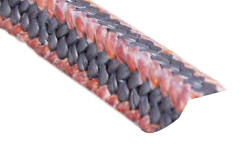
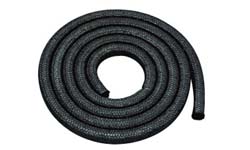
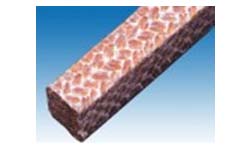
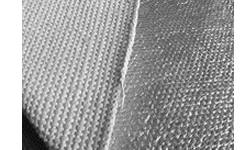
In the demanding world of industrial sealing, Synthetic Fiber Packing stands as a cornerstone technology for controlling leaks, managing fluids, and ensuring operational safety and efficiency. Unlike traditional materials like flax or cotton, modern synthetic fiber packing is engineered from high-performance man-made fibers. These advanced materials are designed to withstand extreme pressures, aggressive chemicals, and high temperatures that would quickly degrade natural alternatives. At Kaxite Sealing, we have dedicated decades to refining the composition and braiding techniques of our packing to deliver uncompromising performance in the most challenging applications, from pumps and valves to agitators and mixers.
The core principle of braided packing remains its ability to create a dynamic seal. It is compressed within a stuffing box, where it adjusts to the shaft or spindle movement, minimizing leakage while managing friction and heat. The shift to synthetic fibers has revolutionized this field, offering superior durability, reduced maintenance intervals, and lower total cost of ownership. Industries such as chemical processing, pharmaceuticals, power generation, and water treatment rely on these robust sealing solutions to maintain continuous, leak-free operations, protect the environment from hazardous spills, and ensure worker safety.
Selecting the right packing requires a deep understanding of its technical parameters. At Kaxite Sealing, our synthetic fiber packing products are characterized by a set of precise specifications that define their operational envelope and suitability for specific duties. Below are the critical parameters that engineers and maintenance professionals must evaluate.
To provide a clear comparison, the following table outlines the specifications for three of our flagship Kaxite Sealing synthetic fiber packing grades, each engineered for a distinct service profile.
| Product Grade | KX-ARAMID HT | KX-CARBON GF | KX-PTFE ULTRA |
|---|---|---|---|
| Primary Fiber | Aramid (e.g., Kevlar® type) | Carbon Fiber | Expanded PTFE Filament |
| Temperature Range | -100°F to +550°F (-73°C to +288°C) | -400°F to +1200°F (-240°C to +650°C) in non-oxidizing | -400°F to +500°F (-240°C to +260°C) |
| pH Range | 2 - 13 | 0 - 14 (Except strong oxidizers) | 0 - 14 (Fully chemically inert) |
| Max Pressure | Up to 2500 PSI | Up to 3000 PSI | Up to 2000 PSI |
| Max Shaft Speed | 4000 FPM | 3000 FPM | 3500 FPM |
| Braiding Style | Interbraid for high density | Braid over Braid for consolidation | Square Braid for flexibility |
| Lubrication/Additive | PTFE & Graphite impregnation | High-purity graphite impregnation | Self-lubricating, silicone-free |
| Ideal For | Hot water, steam, mild acids/alkalis | High-temperature heat transfer fluids, solvents | Aggressive chemicals, ultra-pure processes, food/pharma |
Based on our extensive field experience at Kaxite Sealing, we address the most common questions engineers and purchasers have regarding synthetic fiber packing.
Q: How do I select the correct synthetic fiber packing for my application?
A: Selection is a systematic process. First, identify the fluid being sealed (including any abrasives), its temperature, and pH. Second, determine the equipment's operating parameters: shaft speed, pressure, and type of motion (rotary, reciprocating, or static). Third, consider any regulatory requirements like FDA or USDA approval for food processing. Cross-reference these factors with the product specifications, like those in the table above. For complex or critical services, consult directly with Kaxite Sealing application engineers who can provide tailored recommendations and samples.
Q: What is the proper procedure for installing braided packing?
A: Correct installation is critical for performance and longevity. Clean the stuffing box thoroughly. Use rings cut precisely to the shaft diameter with a sharp, square cut—never wrap the packing around the shaft. Stagger the joints of each ring by 90 degrees. Use a proper stuffing tool to tamp each ring firmly and evenly. For most pump applications, the packing should be tightened only until a slight weep of leakage is observed at startup; it will seal further as it breaks in. Overtightening is a common cause of premature failure due to excessive heat and friction.
Q: Can synthetic fiber packing be used for both rotary and reciprocating shafts?
A: Yes, but the specific grade and braid style must be appropriate. Softer, more flexible braids like square braids often work well for reciprocating service. Denser, more robust braids like interbraid or braid-over-braid are typically preferred for high-speed rotary service to resist extrusion and maintain structural integrity. Always check the manufacturer's guidelines. Kaxite Sealing products like KX-ARAMID HT are versatile enough for many types of dynamic motion when applied within their rated speed and pressure limits.
Q: How does lubrication or impregnation in the packing work, and is it always necessary?
A: Lubricants (PTFE, graphite, molybdenum disulfide) or other additives are impregnated into the fiber braid to serve multiple functions. They drastically reduce break-in time, lower friction during operation (reducing heat and power consumption), and often enhance the seal's ability to conform to minor shaft imperfections. For applications involving potable water or certain pharmaceuticals, non-contaminating, FDA-compliant lubricants are used. While not every packing has added lubricant, it is a standard feature in most high-performance grades from Kaxite Sealing, as it significantly extends service life and improves reliability.
Q: What are the signs that my synthetic fiber packing needs to be replaced?
A: Key indicators include a persistent increase in leakage that cannot be controlled by minor gland adjustments, a noticeable increase in shaft temperature or power consumption, visible physical damage to the packing rings (e.g., fraying, hardening, or charring), or excessive wear on the shaft or sleeve. Proactive, scheduled maintenance based on historical performance data is always preferable to reactive replacement after failure, which can lead to downtime or equipment damage.
Q: Why choose Kaxite Sealing over other brands of synthetic fiber packing?
A: Kaxite Sealing combines over two decades of material science expertise with rigorous quality control. Our packings are not just commodities; they are engineered solutions. We use premium-grade, consistent raw materials and state-of-the-art braiding machinery to ensure every spool meets exacting standards for density, finish, and performance. Furthermore, we provide comprehensive technical support, from application engineering to installation guidance. This commitment to quality and service results in a packing that delivers longer life, reduced maintenance costs, and greater operational safety, providing a superior return on investment.
The versatility of modern synthetic fiber packing allows it to solve sealing challenges across a vast industrial landscape. At Kaxite Sealing, we develop specialized formulations to meet the nuanced demands of different sectors.
In Chemical Processing, resistance to corrosion is paramount. Our PTFE-based and carbon fiber packings handle aggressive acids, caustics, and solvents, ensuring no cross-contamination and protecting critical infrastructure. For Power Generation and utilities, packing must endure high-pressure steam, hot water, and sometimes abrasive fly ash. Aramid and graphite-rich grades provide the necessary thermal conductivity and stability. The Pharmaceutical and Food & Beverage industries demand ultra-hygienic, non-contaminating seals that can withstand frequent washdowns with CIP (Clean-in-Place) chemicals. Our specially formulated, FDA-compliant PTFE packings are ideal for these sensitive environments.
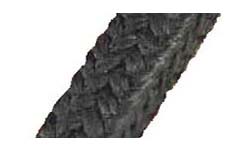
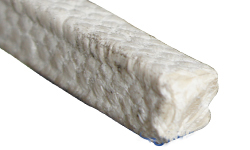
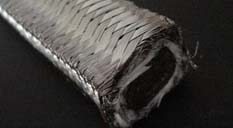
Beyond material choice, the braiding pattern itself is an engineering decision. A square braid offers excellent flexibility and conformability for uneven surfaces or low-friction needs. A braid-over-braid construction increases density and dimensional stability for high-pressure duties. The interbraid style, often used in our high-temperature lines, creates an extremely dense, extrudation-resistant packing perfect for challenging services. Understanding these subtleties allows Kaxite Sealing to match the exact product to the operational challenge, ensuring optimal performance from the moment of installation.