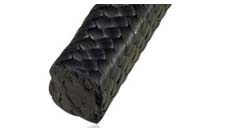
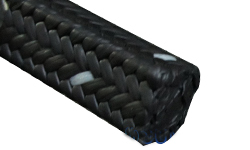
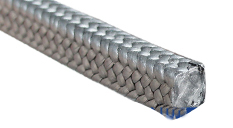
In demanding industrial fluid sealing applications, finding a packing material that offers reliable performance under extreme conditions is paramount. Graphite PTFE Packing represents a significant advancement in sealing technology, combining the superior lubricity and chemical resistance of PTFE with the exceptional thermal conductivity and stability of expanded graphite. This hybrid material is engineered to handle challenges where standard braided or filament packings fall short, particularly in services involving high temperatures, aggressive chemicals, and stringent emission control requirements. As a leading innovator in sealing solutions, Kaxite Sealing has perfected the formulation and manufacturing of this high-performance material to deliver unmatched sealing integrity and longevity.
Kaxite Sealing's Graphite PTFE Packing is designed for critical service across a wide range of industries. Its unique construction provides a set of benefits that directly translate to reduced downtime, lower maintenance costs, and improved operational safety.
The performance of Kaxite Graphite PTFE Packing is defined by its precise material composition and physical properties. The table below details the key specifications that engineers and maintenance professionals rely on for proper selection and application.
| Parameter | Specification / Value | Description / Standard |
|---|---|---|
| Base Materials | Expanded Graphite, PTFE (Teflon®) | Combination of exfoliated graphite flakes and polytetrafluoroethylene fibers or dispersion. |
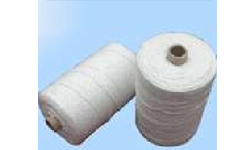
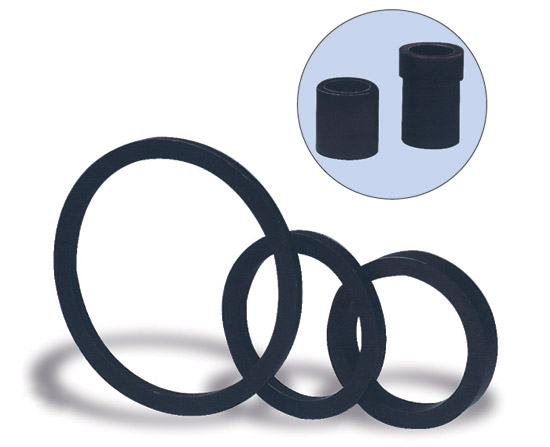
| Form | Die-Formed Ribbon, Spool Wound, Coil Packing | Supplied as a continuous ribbon on spools or pre-formed rings for easy installation. |
| Temperature Range | -450°F to +550°F (-268°C to +288°C) | In air/oxidizing service. Higher limits possible in inert/steam environments. |
| pH Range | 0 - 14 | Suitable for the full spectrum of acidic and alkaline media. |
| Density | 1.8 - 2.2 g/cm³ | Controlled density ensures consistent sealing performance and compression recovery. |
| Thermal Conductivity | High (W/m·K) | Graphite structure provides efficient heat dissipation from the friction zone. |
| Chemical Resistance | Excellent | Resistant to virtually all industrial chemicals, solvents, acids, and caustics. |
| Maximum Shaft Speed | Up to 25 m/s | Suitable for high-speed pump and mixer applications. |
| Applicable Standards | FDA 21 CFR 177.1550, USDA, TA-Luft, ISO 15848 (Fugitive Emissions) | Compliant with regulations for food contact, emissions, and industrial leakage. |
Kaxite Graphite PTFE Packing is the seal of choice for severe and critical services across multiple sectors. Its reliability makes it indispensable in the following applications:
Q: How does Graphite PTFE Packing differ from standard braided PTFE packing?
A: Standard braided PTFE packing is typically made from PTFE fibers or filaments. While it has excellent chemical resistance, it can have limitations in high-temperature heat dissipation and may require more lubrication. Kaxite's Graphite PTFE Packing incorporates expanded graphite, which greatly enhances thermal conductivity, allowing it to run cooler at higher temperatures. The graphite also improves conformability and provides inherent lubricity, often resulting in lower friction and longer service life without the need for additional lubricants.
Q: Can Graphite PTFE Packing be used on rotating equipment like centrifugal pumps?
A: Yes, it is highly suitable for both rotating and reciprocating equipment. Its combination of low friction, high thermal conductivity, and self-lubricating properties makes it an excellent choice for centrifugal pumps, especially those handling hot or corrosive fluids. The material's ability to dissipate frictional heat is a key advantage in high-speed pump applications, helping to prevent packing burnout and shaft scoring.
Q: Is this packing suitable for controlling fugitive emissions?
A: Absolutely. Kaxite Graphite PTFE Packing is an effective solution for sealing against fugitive emissions of VOCs and other hazardous gases. Its conformable nature allows it to seal effectively with minimal gland load, and its chemical inertness ensures it is not degraded by the sealed medium. It is designed to help facilities comply with stringent environmental regulations such as EPA leak standards and ISO 15848 for valve emissions.
Q: How do I install ribbon-style Graphite PTFE Packing correctly?
A: For ribbon packing, clean the stuffing box thoroughly. Wrap the ribbon around a mandrel equal to the shaft diameter, cutting the rings at a 45-degree angle. Stagger the joints by 90 degrees for each ring as you install them into the box. Use a tamping tool to seat each ring firmly. For pre-formed rings from Kaxite, simply stack them in the box with joints staggered. Initial tightening should be just enough to stop leakage, then re-tighten after a short run-in period as the packing conforms.
Q: What are the limitations of Graphite PTFE Packing?
A: While exceptionally versatile, it does have boundaries. In strongly oxidizing atmospheres (like concentrated nitric acid or oleum) at very high temperatures, the graphite component can potentially oxidize. For applications involving molten alkali metals or fluorine gas, alternative materials should be considered. Always consult Kaxite Sealing's technical datasheets or application engineers for media and temperature compatibility for your specific service.
Q: Why should I choose Kaxite Sealing's brand of Graphite PTFE Packing?
A: Kaxite Sealing specializes in advanced sealing solutions and brings a commitment to quality, consistency, and technical support. Our Graphite PTFE Packing is manufactured under strict quality controls to ensure uniform density and performance in every spool or ring. We offer extensive technical resources, custom die-forming capabilities for exact equipment fits, and expert application guidance to ensure you achieve optimal seal life and performance, reducing your total cost of ownership.