In the demanding world of industrial sealing, where flange integrity under extreme pressure is non-negotiable, one product category stands out for its robust performance: Serrated Gaskets. Also known as serrated metal gaskets or ring-type joints (RTJs), these are precision-engineered sealing components designed to create a leak-proof seal in high-pressure, high-temperature applications. At Kaxite Sealing, we specialize in manufacturing these critical components to the highest international standards, ensuring reliability in the most challenging environments, from oil and gas pipelines to chemical processing plants and power generation facilities.
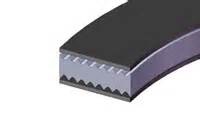
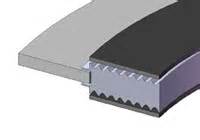
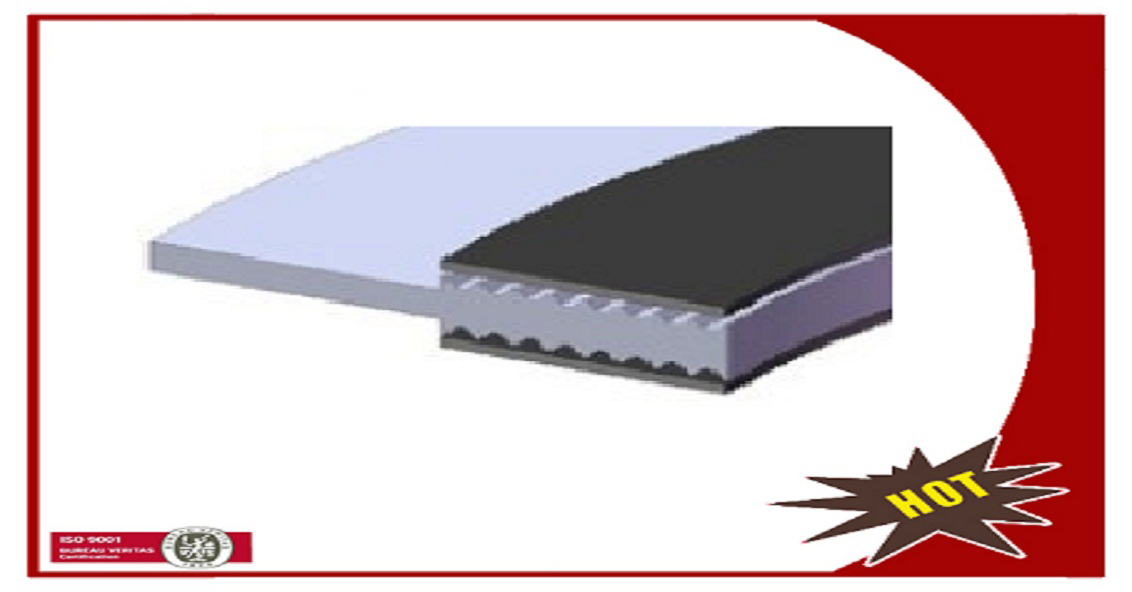
The fundamental principle behind a serrated gasket is its unique geometry. The sealing surfaces feature precisely machined concentric grooves or "serrations." When the flange bolts are torqued, these sharp serrations bite into the softer flange material, creating multiple, concentric metal-to-metal seals. This plastic deformation of the flange surfaces into the gasket grooves is what provides the exceptional seal, capable of withstanding immense internal pressures and thermal cycling where other gasket types would fail.
Selecting the correct serrated gasket requires careful consideration of several critical parameters. At Kaxite Sealing, we offer a comprehensive range, customizable to meet exact project specifications. Below are the essential factors that define our product line.
The material selection is paramount and depends on the service media, temperature, pressure, and corrosion requirements. Our standard offerings include:
Serrated gaskets are manufactured to conform to established industry standards, ensuring interchangeability and reliability. Kaxite Sealing products comply with the following major specifications:
| Standard | Description | Common Types (R/J Style) |
|---|---|---|
| ASME B16.20 | Standard for Metallic Gaskets for Pipe Flanges (Ring-Joint, Spiral-Wound, etc.). Defines dimensions, tolerances, and markings. | R, RX, BX |
| API 6A | Specification for Wellhead and Christmas Tree Equipment. Governs gaskets for severe service in upstream oil & gas. | R, RX, BX (with specific API requirements) |
| DIN 2696 | German standard for metallic oval and octagonal ring joint gaskets. | Octagonal, Oval |
The table below outlines the key dimensional characteristics for standard ring number sizes, based on ASME B16.20. All dimensions are in inches.
| Ring Number | Nominal Pipe Size (NPS) Range | Outside Diameter (OD) | Inside Diameter (ID) | Width (P) |
|---|---|---|---|---|
| R11 | 1/2" | 1.219 | 0.844 | 0.188 |
| R23 | 2" | 2.750 | 2.094 | 0.188 |
| R37 | 4" | 4.875 | 3.875 | 0.250 |
| R60 | 8" | 8.500 | 7.375 | 0.312 |
| R96 | 14" | 15.000 | 13.375 | 0.438 |
Note: This is a sample. Kaxite Sealing manufactures the full range of R and RX ring numbers from R11 to R126. BX series gaskets, used for higher pressures, have different dimensions and are manufactured per API 6A specifications.
What is the fundamental difference between R, RX, and BX style ring gaskets?
The R style is a standard octagonal or oval ring used in standard ANSI/ASME flanges (ASME B16.5). The RX style is a pressure-energized version of the R ring; its geometry allows it to expand under internal pressure, improving the seal, and it can sometimes seal in grooves damaged from previous R ring use. The BX style is a smaller, higher-pressure ring used exclusively in API 6A wellhead and valve applications (e.g., 6B, 6BX flanges); it is designed for much higher pressures and has a different sealing mechanism involving internal pressure activation.
Can a serrated metal gasket be reused?
Generally, serrated gaskets are not designed for reuse. The sealing action relies on the sharp serrations deforming the flange faces. Once installed and torqued, the serrations are compressed and may have taken a "set." Reusing a gasket can lead to inadequate sealing force and potential leakage. Kaxite Sealing always recommends using a new, unused gasket for each flange makeup to ensure absolute seal integrity and safety.
How do I determine the correct bolt torque for installing a serrated gasket?
The correct bolt torque is critical and is not arbitrary. It depends on the gasket size, material, flange rating (e.g., 1500#, 2500#), bolt material, and lubrication used on the threads and nut faces. The torque value must be calculated to achieve the required bolt stress (as per ASME PCC-1 or API 6A guidelines). Using an incorrect torque can under-stress the bolts (causing leakage) or over-stress them (risking bolt failure or flange damage). Always consult the equipment manufacturer's procedures or a qualified engineer for the precise torque and tightening sequence.
Why is silver plating commonly used on these gaskets?
Silver plating serves multiple vital functions. First, it acts as a high-temperature, solid lubricant, reducing friction and the risk of galling (cold welding) between the gasket and flange during tightening. Second, silver is malleable and helps fill microscopic imperfections on the flange surface, enhancing the initial seal. Third, it maintains its properties at elevated temperatures, preventing oxidation that could hinder disassembly. The thin layer of silver does not compromise the gasket's mechanical strength but significantly improves its performance and reliability.
What are the typical applications where Kaxite Sealing serrated gaskets are essential?
Our gaskets are engineered for critical service across industries. Key applications include: High-pressure piping and manifolds in oil & gas production (onshore/offshore); Wellhead equipment, Christmas trees, and valve assemblies (using BX series); Refinery and petrochemical process lines handling hydrocarbons, acids, and high-pressure steam; Power generation plants, especially in boiler feed and steam turbine systems; High-pressure reactors and vessels in chemical processing; Any ANSI Class 900, 1500, 2500, or higher flange connection where leak-tight integrity is mandatory for safety and environmental protection.
How should serrated gaskets be stored and handled before use?
Proper storage is crucial to prevent damage to the precision serrations. Store gaskets in a clean, dry environment, protected from moisture and corrosive fumes. They should be kept in their original protective packaging until ready for installation. Handle gaskets with clean gloves to prevent contamination from oils, dirt, or sweat. Never drop or impact the gasket, as dents or nicks on the sealing surface can cause leaks. Inspect the gasket thoroughly for any damage, debris, or corrosion immediately before installation.
What information do I need to provide Kaxite Sealing to get an accurate quote?
To ensure you receive the correct gasket and an accurate quotation, please provide the following details: Standard (e.g., ASME B16.20, API 6A); Ring Number or Style (e.g., R37, RX-75, BX-153); Material of Construction (e.g., 316 Stainless Steel); Required Coating/Plating (e.g., Silver plated per ASTM B700); Quantity required; Any applicable specifications or purchase order requirements (e.g., NACE MR0175 for sour service). Providing a flange specification or a sample of the old gasket is also extremely helpful for verification.
Choosing Kaxite Sealing for your serrated gasket needs means partnering with a dedicated specialist. Our two-decade commitment to sealing technology is reflected in our stringent quality control. Every gasket undergoes dimensional verification, material certification (with full traceability to mill sources), and visual inspection to ensure the serrations are sharp, clean, and defect-free. We understand that a gasket is a small component with a massive responsibility: maintaining system integrity, preventing costly downtime, and ensuring personnel and environmental safety. Our technical support team is available to assist with material selection, standard interpretation, and application-specific challenges, providing not just a product, but a reliable sealing solution you can trust.