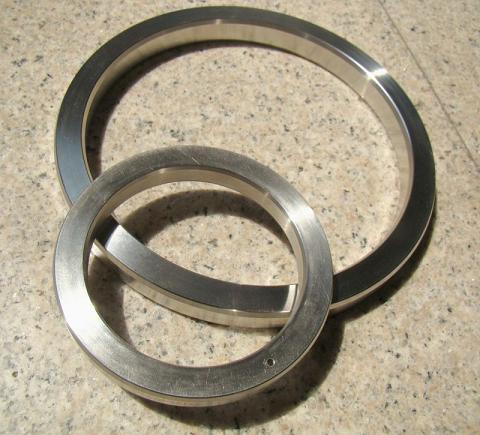
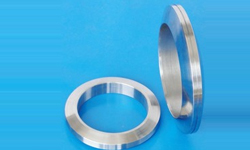
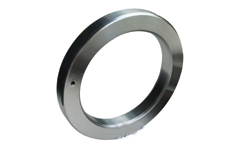
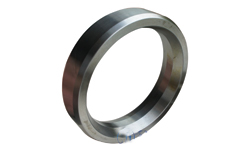
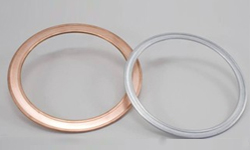
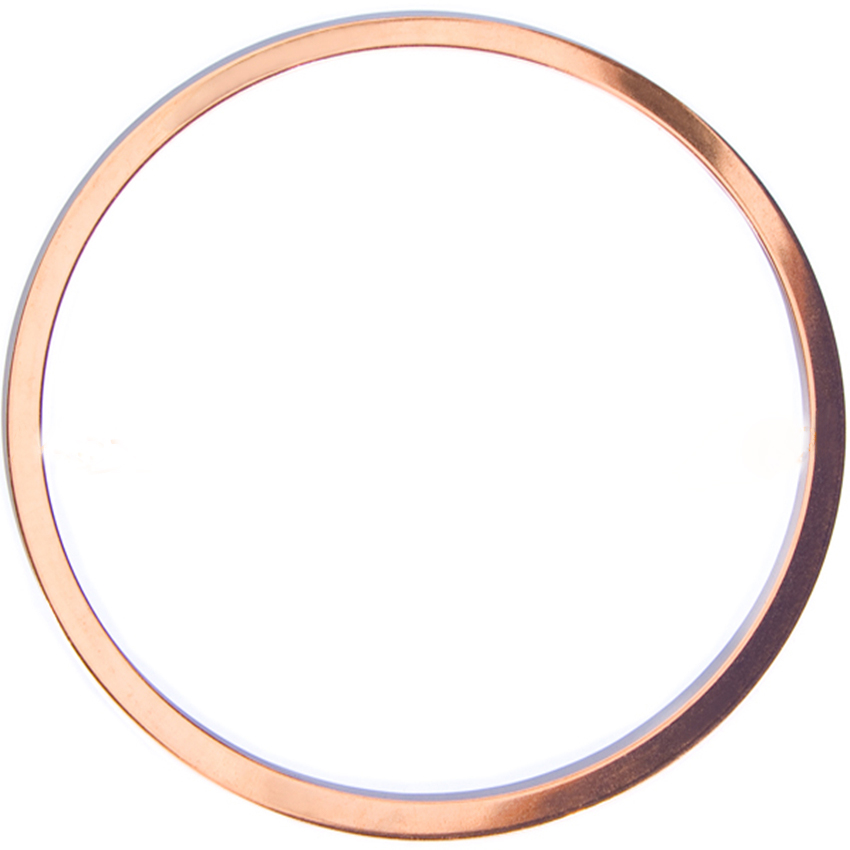
In the high-stakes world of industrial sealing, where pressure is immense and failure is not an option, the integrity of your connections is paramount. For critical applications in oil and gas, petrochemical, and power generation, one sealing solution stands above the rest for its unparalleled reliability: the Ring Type Joint Gasket, commonly known as the RTJ gasket. As a sealing professional with decades of experience, I've witnessed the evolution of these components and the critical role they play in operational safety and efficiency. This guide dives deep into the design, specifications, and selection criteria for Ring Joint Gaskets, highlighting why precision manufacturing from trusted brands like Kaxite Sealing makes all the difference.
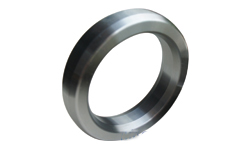
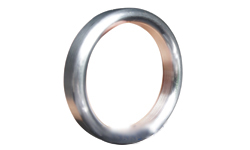
A Ring Joint Gasket is a precision-engineered, solid metal gasket designed to create a high-integrity, leak-proof seal in the most demanding environments. It functions by being compressed into a machined groove (the ring groove) on the flange faces of a connection. When the flanges are bolted together, the gasket deforms plastically, filling the groove completely and creating a robust metal-to-metal seal. This design is inherently self-energizing; as system pressure increases, it further forces the gasket against the groove walls, enhancing the seal.
Key characteristics include:
Selecting the correct RTJ gasket requires careful attention to its parameters. Kaxite Sealing manufactures gaskets to the highest international standards, ensuring precise dimensions and material properties. Below are the critical specifications.
There are two primary profiles, defined by their cross-section shape:
Ring Joint Gaskets are manufactured to precise standards, primarily ASME B16.20 (for piping) and API 6A (for wellheads and Christmas trees). Sizes correspond to flange nominal pipe sizes (NPS) and pressure classes (e.g., Class 150, 300, 600, 900, 1500, 2500).
| Nominal Pipe Size (NPS) | ASME Pressure Class | Ring Number (Example) | Typical Application Pressure (PSI) |
|---|---|---|---|
| 1" | Class 1500 | R50 | Up to 3,700 |
| 4" | Class 900 | R64 | Up to 2,200 |
| 8" | Class 600 | R80 | Up to 1,480 |
| 12" | Class 2500 | R112 | Up to 6,000+ |
The service environment dictates the material choice. Kaxite Sealing offers a comprehensive range to meet diverse corrosive and thermal challenges.
| Material Grade | Common Designation | Key Properties | Recommended Service |
|---|---|---|---|
| Soft Iron | ASTM A105 | Excellent ductility, easy sealing | Non-corrosive, high-pressure hydrocarbon services |
| 304 Stainless Steel | AISI 304 / SS304 | Good general corrosion resistance | Moderately corrosive services, food & pharma |
| 316 Stainless Steel | AISI 316 / SS316 | Superior corrosion resistance, esp. to chlorides | Marine, chemical processing, high-chloride environments |
| Inconel 600 | UNS N06600 | High temp strength, oxidation resistance | Furnaces, heat treat equipment, nuclear |
| Monel 400 | UNS N04400 | Excellent resistance to seawater & acids | Offshore platforms, marine engineering, HF acid |
What is the fundamental difference between R, RX, and BX style gaskets?
The primary difference lies in their cross-section and sealing mechanism. R-style gaskets have an oval cross-section and seal through flange compression into a matching oval groove. RX-style gaskets have an octagonal cross-section and are pressure-energized; internal system pressure acts on the gasket's inner diameter to improve the seal. BX-style gaskets also have an octagonal cross-section but are designed with specific dimensions and pressure-energizing features for API 6A wellhead and tree equipment, often including a pressure vent hole.
Can a Ring Joint Gasket be reused?
Generally, no. Ring Joint Gaskets are designed for single use. During make-up, the metal deforms plastically to fill the flange groove precisely. Removing the gasket alters its geometry and creates imperfections. Reusing an old gasket significantly increases the risk of a leak. Kaxite Sealing always recommends installing a new, certified gasket for every connection to ensure seal integrity.
How do I identify the correct Ring Joint Gasket for my flange?
Identification requires three key pieces of information: 1) The flange standard and pressure class (e.g., ASME B16.5 Class 1500), 2) The Nominal Pipe Size (NPS), and 3) The Ring Number, which is typically stamped on the outer diameter of the gasket itself (e.g., R50). Matching the gasket profile (R or RX) and material to the flange groove specification is critical. Always consult the original equipment specifications or a sealing specialist.
What causes a Ring Joint Gasket to leak, and how can it be prevented?
Leaks can stem from several sources: incorrect gasket selection (wrong size, style, or material), damaged or corroded flange grooves, improper installation torque (under or over-tightening), misalignment of flanges, or reusing a gasket. Prevention starts with using a high-quality gasket from a reputable manufacturer like Kaxite Sealing, followed by meticulous inspection of the flange grooves for scratches or pitting, correct alignment during assembly, and using a calibrated torque wrench to apply the specified bolt load in the proper sequence.
Are there coating options for Ring Joint Gaskets?
Yes, protective coatings are often applied to prevent galling (cold welding) during installation and to provide additional corrosion resistance. Common coatings include silver plating, copper plating, and specialized anti-gall pastes. Silver plating is particularly popular for stainless steel gaskets in high-temperature service as it provides excellent lubricity and oxidation resistance. Kaxite Sealing can provide gaskets with various platings based on customer application requirements.
How does temperature affect the material choice for an RTJ gasket?
Temperature drastically influences material performance. Carbon steel and soft iron can lose strength and oxidize rapidly at high temperatures. For services above 800°F (427°C), alloy steels or nickel-based alloys like Inconel are necessary. Conversely, at cryogenic temperatures, materials must maintain ductility; 304 or 316 stainless steel is often specified. The thermal expansion coefficient of the gasket material relative to the flange material is also a consideration to maintain seal load across temperature cycles.
Even the best gasket can fail if installed incorrectly. Follow these key steps:
By adhering to these parameters, specifications, and best practices, engineers and maintenance professionals can ensure the reliable performance of their critical piping and vessel connections. The precision and quality assurance offered by manufacturers like Kaxite Sealing provide the foundation for this safety and reliability.