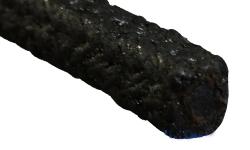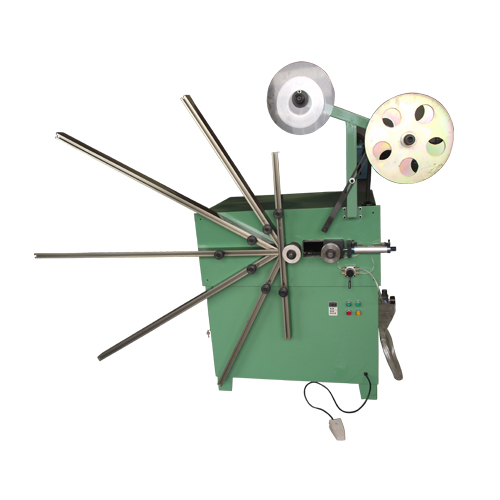
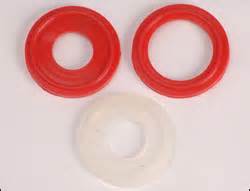
What Are FKM Tri-Clamp Gaskets? In sanitary processing, they are the small elastomer seals that sit between two Tri-Clamp ferrules and are compressed by a clamp to create a hygienic, leak-free connection. The FKM part matters because FKM—also called fluoroelastomer—is chosen for hot, aggressive, and repetitive cleaning cycles where EPDM, silicone, or nitrile may swell, harden, or lose compression set. For a procurement team, the question is rarely just “What is an FKM Tri-Clamp gasket?” It is whether the gasket will keep a line running through CIP/SIP, pass an audit, fit the ferrule, and arrive with the documentation the quality team expects. A failed low-cost gasket can stop a high-value batch, trigger rework, and add hours of sanitation investigation. At Ningbo Kaxite Sealing Materials Co., Ltd., we see this challenge from the buyer’s side every week: teams need consistent dimensions, reliable FKM compounds, clear material certificates, and a supplier who can match the right gasket to the process instead of simply shipping a generic part. This guide explains what FKM Tri-Clamp Gaskets are, how to select them, which parameters affect performance, and how to avoid common procurement mistakes. It is written for buyers, maintenance engineers, and quality teams who need a practical answer—not a chemistry lecture—before the next purchase order goes out.
Pain scenario: A buyer receives a request for “Tri-Clamp gaskets, FKM, 2 inch” and orders the lowest price. Weeks later, maintenance reports leaks after SIP, and quality cannot find a material certificate. The gasket looked correct, but the compound, hardness, and dimensional tolerance were never specified.
Solution: Treat the FKM Tri-Clamp gasket as a critical sanitary component. Define the ferrule standard, gasket profile, hardness, temperature range, cleaning exposure, compliance requirements, and traceability before comparing quotes. Ningbo Kaxite Sealing Materials Co., Ltd. can help translate a line list into a repeatable gasket specification, including size, compound, and documentation needs.
| Parameter | Typical FKM Tri-Clamp gasket specification | Why procurement should confirm it |
|---|---|---|
| Elastomer | FKM / fluoroelastomer, not a generic “rubber” | Chemical and heat resistance depend on compound, not color. |
| Hardness | 70 Shore A standard; 75 Shore A available for higher clamp load | Too soft can extrude; too hard can fail to seal at low clamp force. |
| Temperature | Common service range -15°C to 200°C, grade dependent | CIP/SIP and cold filling both need verification. |
| Size | 1/2 in to 12 in TC ferrule sizes; custom profiles possible | Wrong ID/OD causes dead space, leaks, or poor fit. |
| Compliance | FDA 21 CFR 177.2600, USP Class VI, 3-A where applicable | Audit documents must match the batch supplied. |
| Traceability | Lot number, cure date, material certificate | Speeds investigations and repeat orders. |
Pain scenario: A production line is clean, validated, and ready for a campaign. A Tri-Clamp joint weeps during a hot rinse, and the team replaces the gasket from a mixed bin. The leak stops, but no one knows whether the replacement is the same FKM grade, hardness, or thickness. Weeks later, the joint fails again and the batch record cannot prove what was installed.
Solution: Buy FKM Tri-Clamp gaskets as a controlled item, not a consumable afterthought. Use one part number per size, profile, compound, hardness, and certification package. Ask for lot traceability and keep a small verification record at goods-in. Ningbo Kaxite Sealing Materials Co., Ltd. supports buyers with repeatable specifications and batch-linked documentation so maintenance and quality teams work from the same data.
| Failure symptom | Likely procurement cause | Practical buying fix |
|---|---|---|
| Leak after CIP/SIP | Compound or hardness not specified | State FKM grade, hardness, and temperature cycle. |
| Gasket swells or sticks | Wrong elastomer for cleaning chemicals | Share chemical list and concentration with supplier. |
| Gasket will not seat | Profile or ferrule standard mismatch | Confirm clamp type, ferrule OD, and gasket profile. |
| Audit document missing | Certificate not tied to batch | Require lot number and material certificate on delivery. |
| Repeat failures | Mixed stock and no part-number control | Use labeled bags and minimum stock by application. |
Pain scenario: A purchasing team compares quotes and finds EPDM much cheaper than FKM. The line handles oils, solvents, and steam cycles, but the decision is made on unit price. The first production run shows swelling, and the “saving” becomes an unplanned shutdown.
Solution: Compare materials against the actual process, not a generic temperature chart. FKM is often a strong fit for mineral oils, fuels, lubricants, and many aggressive chemical exposures at elevated temperature. EPDM can be excellent for water, steam, and many caustic cleaning cycles. Silicone offers wide temperature range but limited oil resistance. PTFE brings broad chemical inertness but different sealing behavior. Ningbo Kaxite Sealing Materials Co., Ltd. can review the line list and recommend a compound family before samples are ordered.
| Material | Heat and chemical profile | Typical sanitary use | Procurement note |
|---|---|---|---|
| FKM / fluoroelastomer | Good heat resistance; strong resistance to many oils, fuels, and solvents | Aggressive chemical, oil, and high-temperature service | Confirm grade and compression set data. |
| EPDM | Excellent water, steam, and caustic resistance; limited oil resistance | Steam, hot water, CIP caustic | Lowest cost is not always the lowest risk. |
| Silicone | Wide temperature range; weak oil and solvent resistance | Low-pressure, dry heat, some cold-fill lines | Check mechanical strength and tear resistance. |
| PTFE | Broad chemical inertness; low friction | Highly aggressive chemical service | Confirm profile, creep, and clamp load. |
Pain scenario: A maintenance technician orders “1.5 inch FKM Tri-Clamp gaskets” for a line that uses a different ferrule standard. The gasket arrives, looks close, and is forced into place. The joint leaks at the clamp, or the gasket intrudes into the flow path and creates a cleaning concern.
Solution: Measure the ferrule, not just the pipe. Confirm the nominal size, ferrule outside diameter, gasket inside diameter, outside diameter, thickness, and profile. For sanitary service, fit affects cleanability as well as sealing. Ningbo Kaxite Sealing Materials Co., Ltd. can match common TC profiles and custom dimensions when a line uses non-standard or legacy ferrules.
| Check point | What to verify | Common risk if missed |
|---|---|---|
| Nominal size | 1/2 in, 3/4 in, 1 in, 1.5 in, 2 in, 3 in, 4 in, 6 in, 8 in, 10 in, 12 in | Wrong bore and clamp fit |
| Ferrule OD | Measure the actual mating surface | Gasket sits off-center or pinches |
| Gasket profile | Standard clamp gasket, screen gasket, or custom profile | Dead space or poor compression |
| Thickness | Match the clamp groove and ferrule design | Under- or over-compression |
| Surface finish | Smooth, clean, defect-free sealing faces | Leak path and cleaning difficulty |
Pain scenario: A gasket passes the first leak test, then hardens after repeated SIP cycles. The clamp needs retightening, and the joint begins to weep. The buyer assumed “FKM” covered every temperature and chemical exposure, but the compound was not matched to the cleaning regime.
Solution: Share the complete exposure profile: maximum and minimum temperature, steam cycles, caustic and acid cleaning, product contact media, and expected service life. Ask for compression set data at relevant conditions. FKM is versatile, but grade selection still matters. A gasket that resists one solvent may swell in another. Ningbo Kaxite Sealing Materials Co., Ltd. helps buyers connect process conditions to realistic gasket specifications instead of relying on a single temperature number.
| Exposure | What can go wrong | FKM buying action |
|---|---|---|
| Continuous heat | Hardening and compression set | Confirm continuous service temperature and grade. |
| Steam SIP | Swelling, cracking, or surface change | Validate cycle count with supplier data. |
| Caustic CIP | Surface attack or seal degradation | Share concentration, temperature, and contact time. |
| Acid CIP | Compound-specific resistance issues | Check chemical compatibility by grade. |
| Product oils or solvents | Swelling and loss of clamp load | Use FKM when the compound is matched to the media. |
Pain scenario: An auditor asks for the material certificate for the FKM Tri-Clamp gaskets installed on a product-contact line. The maintenance team has a generic supplier declaration, but it is not linked to the batch in use. The issue is not the gasket performance—it is the missing evidence trail.
Solution: Define the document package before ordering. For food, beverage, dairy, and pharmaceutical service, buyers commonly request FDA 21 CFR 177.2600 compliance, USP Class VI where relevant, 3-A considerations, lot traceability, and material data sheets. Keep certificates with the receiving record. Ningbo Kaxite Sealing Materials Co., Ltd. can support documentation requests so quality teams can close audits without chasing paperwork after installation.
| Document | What to ask for | Why it matters |
|---|---|---|
| Material certificate | Compound name, batch or lot, date | Links the installed gasket to supplied material. |
| Regulatory statement | FDA 21 CFR 177.2600, USP Class VI as needed | Supports food and pharmaceutical audits. |
| Technical data sheet | Hardness, temperature range, compression set | Confirms the gasket matches the specification. |
| Packaging label | Size, profile, compound, lot number | Prevents mixed stock and wrong installation. |
| Change notification | Advance notice of compound or process changes | Protects validated processes and repeat orders. |
Pain scenario: A buyer needs three sizes for a maintenance shutdown. The supplier has stock, but the quote does not state hardness, certificate availability, or lead time for the next batch. The order ships, and the team discovers the documents will arrive later than the gaskets.
Solution: Use a short checklist in every request for quotation. This keeps price comparison fair and reduces back-and-forth. Include the application, size, profile, FKM grade or required performance, hardness, compliance documents, packaging, and annual demand. Ningbo Kaxite Sealing Materials Co., Ltd. can work from a line list and help standardize part numbers across sites.
| Checklist item | Question to ask | Accept criteria |
|---|---|---|
| Application | What media, temperature, and cleaning cycle? | Written process summary attached to RFQ. |
| Size and profile | Which ferrule standard and gasket profile? | Drawing or photo with measurements. |
| FKM compound | Which grade and hardness? | Technical data sheet and sample approval. |
| Compliance | Which certificates are required? | Documents supplied with lot traceability. |
| Packaging | Can each size and lot be labeled? | Clean, sealed bags with clear labels. |
| Supply plan | What is the repeat-order lead time? | Confirmed stock or production schedule. |
Q: Are FKM Tri-Clamp gaskets suitable for steam SIP?
A: Many FKM compounds can handle steam SIP within their rated temperature and cycle limits, but suitability depends on the specific grade, gasket profile, clamp load, and cleaning procedure. Confirm continuous and peak temperatures with the supplier, then validate the cycle in your process. If the line uses repeated high-temperature steam and caustic cycles, ask for compression set data and a material recommendation rather than assuming all FKM grades perform the same.
Q: Can FKM replace EPDM Tri-Clamp gaskets without other changes?
A: FKM can be a better choice for oils, solvents, and some aggressive chemical exposures, but it is not a universal drop-in replacement. EPDM often performs very well in water, steam, and caustic service. Before switching, compare chemical compatibility, temperature, hardness, compression set, and compliance requirements. A trial batch and inspection after cleaning cycles will show whether the FKM gasket seats correctly and remains stable in the specific application.
Q: What documents should come with FKM Tri-Clamp gaskets for food or pharmaceutical use?
A: Request the material certificate or declaration, FDA 21 CFR 177.2600 statement where applicable, USP Class VI documentation if required, technical data sheet, and lot traceability. For sanitary audits, the document must match the batch actually installed. Keep the certificate with the goods-in record and reference the lot number on maintenance records. If a supplier cannot link documents to the batch, the paperwork may not satisfy an auditor even when the gasket itself performs well.
Q: How can a buyer avoid ordering the wrong Tri-Clamp gasket size?
A: Measure the ferrule outside diameter, gasket inside and outside diameters, thickness, and profile, and compare them with the supplier drawing. Do not rely only on the pipe size or a photo. For legacy equipment, send a sample or a dimension sketch. Label each part number by size, profile, compound, and hardness. A controlled part-number system prevents mixed bins and reduces the chance that a correct FKM gasket is installed in the wrong joint.
If you are comparing FKM Tri-Clamp gaskets for a new line, a maintenance shutdown, or a repeat-order program, send your line list, ferrule dimensions, process media, and document requirements. Clear input at the quotation stage prevents expensive guesswork later.
Ningbo Kaxite Sealing Materials Co., Ltd. supplies sealing solutions for sanitary and industrial buyers who need consistent dimensions, practical material selection, and responsive support. From FKM Tri-Clamp gaskets to custom sealing profiles, the company helps customers solve fit, temperature, chemical resistance, traceability, and documentation challenges before they become production issues. Learn more at https://www.kaxitesealing.cn or contact [email protected] with your application details, drawings, and annual demand.
Ameduri, B., Boutevin, B., Kostov, G., 2001. Fluoroelastomers: synthesis, properties and applications. Progress in Polymer Science, 26(1), 105–187.
Taguet, A., Ameduri, B., Boutevin, B., 2005. Crosslinking of fluoroelastomers. Progress in Polymer Science, 30(6), 609–652.
Logothetis, A. L., 1989. Chemistry of fluorocarbon elastomers. Progress in Polymer Science, 14(2), 251–296.
Kader, M. A., Bhowmick, A. K., 2003. Thermal ageing and degradation of fluoroelastomer vulcanizates. Journal of Applied Polymer Science, 89(6), 1442–1452.
Mitra, S., Ghanbari-Siahkali, A., Kingshott, P., 2005. Chemical degradation of elastomeric seals: a review. Polymer Degradation and Stability, 90(1), 1–15.
Gao, J., Wang, X., Zhang, L., 2017. Compression set and sealing performance of fluoroelastomer seals under thermal exposure. Polymer Testing, 61, 120–128.
Patel, M., Skinner, J., 2012. Swelling behavior of fluoroelastomers in organic solvents and process fluids. Journal of Elastomers and Plastics, 44(3), 215–230.
Schmidt, D., Lehmann, H., 2010. Hygienic design and cleanability of elastomeric gaskets in food processing equipment. Food and Bioproducts Processing, 88(4), 345–353.
Wang, Y., Chen, L., 2015. Effect of sterilization cycles on the mechanical properties of elastomeric seals. Journal of Materials Engineering and Performance, 24(8), 3011–3020.
Müller, R., Hoffmann, K., 2018. Material selection and failure analysis of sanitary clamp gaskets in beverage processing. Engineering Failure Analysis, 91, 246–258.