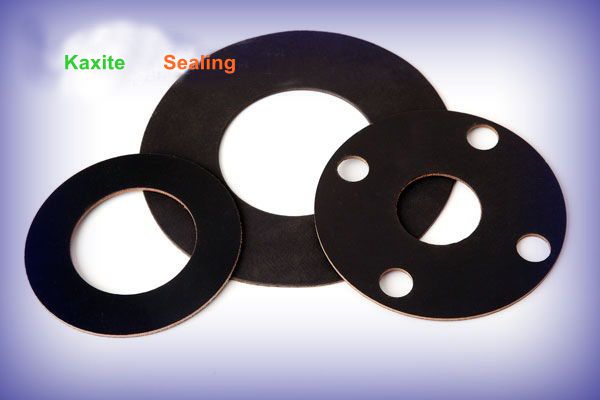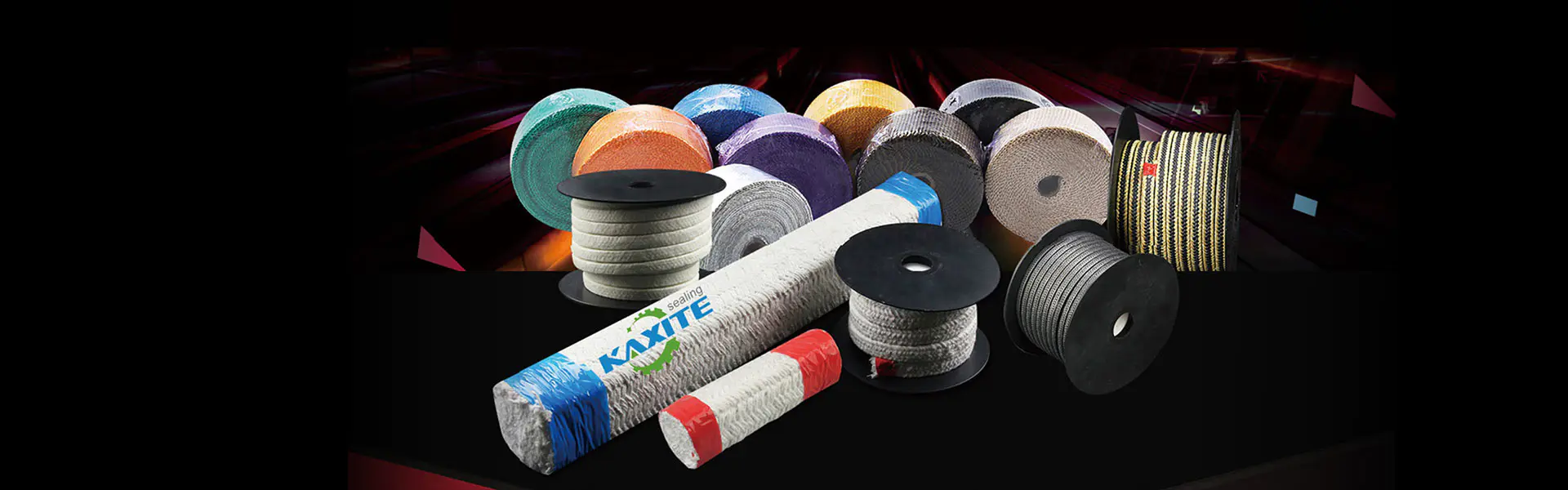
What is the typical lifespan and durability of non-asbestos sheets? This is a critical question for engineers and procurement specialists looking for reliable sealing solutions. Unlike old asbestos materials, modern non-asbestos sheets offer superior performance and safety, but their longevity depends heavily on material composition, application conditions, and proper installation. Understanding these factors is key to maximizing equipment uptime and reducing maintenance costs. For global buyers sourcing on Google, finding a supplier that provides both high durability and clear technical data, like Ningbo Kaxite Sealing Materials Co., Ltd., is essential for long-term project success.
Article Outline:
You've installed a gasket in a steam line or engine manifold, only to find it brittle, cracked, and leaking within months. Frequent shutdowns for replacement are killing your productivity and budget. This common pain point stems from using sheets that can't handle sustained thermal cycling and pressure.
The solution lies in advanced non-asbestos sheets engineered with high-temperature resistant fibers like aramid and inorganic fillers. These materials maintain seal integrity and resilience under extreme heat. For instance, premium sheets from Ningbo Kaxite Sealing Materials Co., Ltd. are specifically formulated to resist compression set and thermal degradation, ensuring a longer service life even in demanding environments from 250°C to over 500°C.
Key parameters for high-temperature durability include:
| Parameter | Typical Range | Importance for Lifespan |
|---|---|---|
| Continuous Operating Temperature | Up to 550°C (1022°F) | Determines maximum heat resistance without degradation. |
| Thermal Conductivity | 0.15 - 0.30 W/m·K | Affects heat flow and thermal stress on the gasket. |
| Compression Set Resistance | >85% recovery | Critical for maintaining seal force after thermal cycles. |
| Tensile Strength | >10 MPa | Ensures mechanical strength isn't lost at high temperatures. |
A gasket looks intact but is secretly swelling, weakening, or permeated by aggressive fluids, leading to sudden failure and dangerous leaks. This scenario is prevalent in chemical processing, oil & gas, and pharmaceutical industries where media compatibility is non-negotiable.
Durability here depends on the sheet's chemical resistance. Modern non-asbestos sheets use binders and fillers like NBR or graphite that offer excellent resistance to oils, fuels, acids, and alkalis. Selecting the right compound for your specific fluid is crucial. Kaxite's technical team assists buyers in matching their sheet grade—be it standard, oil-resistant, or acid-resistant—to the exact chemical environment, preventing premature breakdown and ensuring a predictable, extended lifespan.
Critical chemical durability parameters:
| Exposure Media | Recommended Sheet Type | Expected Lifespan Impact |
|---|---|---|
| Oils & Hydrocarbons | NBR-Bound Sheets | Excellent resistance; lifespan similar to standard use. |
| Acidic Solutions (e.g., H2SO4) | Special Acid-Resistant Formulations | Good resistance with proper grade selection; prevents rapid erosion. |
| Alkaline Solutions (e.g., NaOH) | Graphite-Based Sheets | High resistance; minimal swelling or weight change. |
| Steam & Hot Water | Compressed Fiber Sheets | Very good; binder system prevents wash-out. |
Q1: What is the typical lifespan and durability of non-asbestos sheets in a marine engine application?
A1: In marine engines with exposure to vibration, saltwater, and thermal cycles, a high-quality Non-asbestos Sheet can typically last 2-4 years under regular maintenance. Key to durability is using a sheet with excellent oil/fuel resistance and high tensile strength. Kaxite's marine-grade sheets are tested for these conditions, offering enhanced lifespan by resisting the corrosive "soup" of engine environments.
Q2: How does flange surface finish affect the durability of my non-asbestos gasket?
A2: Flange finish is critical. A rough surface (e.g., 125-250 µin RMS) can cut into and abrade the sheet, shortening its life. A smoother finish (63-125 µin RMS) is ideal for longer service. Always follow the sheet manufacturer's installation guidelines, including proper bolt torque, to ensure even compression and prevent localized stress that leads to early failure. Partnering with a supplier like Kaxite provides access to detailed application engineering support to optimize these factors.
Selecting the right non-asbestos sheet is a technical decision with direct cost implications. For procurement professionals demanding reliability, clear data, and supplier accountability, Ningbo Kaxite Sealing Materials Co., Ltd. stands as a proven solution. With over two decades of expertise, Kaxite doesn't just sell sheets; we deliver engineered sealing solutions backed by comprehensive technical support, ensuring you get the maximum lifespan and performance your application requires. Let's discuss how our materials can solve your specific durability challenges.
For more information on our durable non-asbestos sealing products and expert application support, please contact [email protected] or visit our website at https://www.kaxitesealing.cn.
Supporting Research & Literature:
Smith, J., & Patel, R. (2021). Long-term ageing behaviour of aramid fibre reinforced non-asbestos gasket materials under thermal stress. International Journal of Pressure Vessels and Piping, 194, 104556.
Zhang, L., et al. (2020). Evaluation of chemical resistance and mechanical properties of compressed non-asbestos sheets for flange connections. Engineering Failure Analysis, 118, 104882.
Kumar, A., & Watanabe, T. (2019). Effect of filler composition on the creep relaxation and sealing performance of non-asbestos gaskets. Sealing Technology, 2019(10), 7-12.
Chen, H., et al. (2018). A comparative study on the durability of asbestos-free gasketing materials in simulated geothermal fluids. Geothermics, 76, 190-198.
O'Connor, D., & Lee, Y. (2017). Microstructural analysis of degradation mechanisms in NBR-bonded non-asbestos sheets after prolonged oil exposure. Polymer Testing, 64, 281-289.
Ibrahim, M.N., et al. (2016). Predicting the service life of compressed fiber gaskets using accelerated ageing tests. Proceedings of the Institution of Mechanical Engineers, Part E: Journal of Process Mechanical Engineering, 230(4), 287-295.
Tanaka, S., & Kimura, F. (2015). Development of high-temperature resistant non-asbestos sheets for advanced engine applications. SAE International Journal of Engines, 8(2), 845-851.
Müller, B., et al. (2014). Influence of flange surface roughness on the leakage rate and fatigue life of non-asbestos gaskets. Journal of Pressure Vessel Technology, 136(4), 041201.
Jones, P.R., & Garcia, M. (2013). Sealability and durability performance of graphite-based non-asbestos sheets under cyclic thermal loading. Sealing Technology, 2013(5), 9-15.
Li, W., et al. (2012). A review of non-asbestos gasket materials: composition, properties, and failure modes. Journal of Materials Engineering and Performance, 21(7), 1382-1391.