How should asbestos sheets be safely removed and disposed of? This question weighs heavily on the minds of facility managers, procurement specialists, and renovation contractors worldwide. Mishandling this hazardous material can lead to severe health risks, regulatory fines, and project delays. The process demands strict adherence to safety protocols, specialized equipment, and proper disposal channels. It's a daunting task, but understanding the correct procedure is the first critical step towards a safe and compliant worksite. In this guide, we'll break down the complex process into clear, actionable steps, ensuring you can manage this challenge with confidence and safety.
Article Outline
You're planning a crucial plant upgrade or a long-overdue renovation. The old roofing or insulation panels have been there for decades. The nagging worry: could they contain asbestos? This silent hazard, once a popular construction material, becomes a major liability when disturbed. The primary pain point is the invisible threat. Asbestos fibers, when airborne, pose a severe risk of lung diseases, including mesothelioma. The solution begins long before any physical work, with a comprehensive survey conducted by a licensed professional to confirm the presence and condition of asbestos-containing materials (ACMs). Once confirmed, meticulous planning is non-negotiable. This involves notifying all relevant authorities, securing the site, and developing a detailed removal plan. A critical, yet often overlooked, part of the solution is planning for the replacement material. You need a safe, high-performance alternative that meets your technical specifications without the health risks. This is where specifying the right sealing and insulation material from the outset becomes a strategic procurement decision.

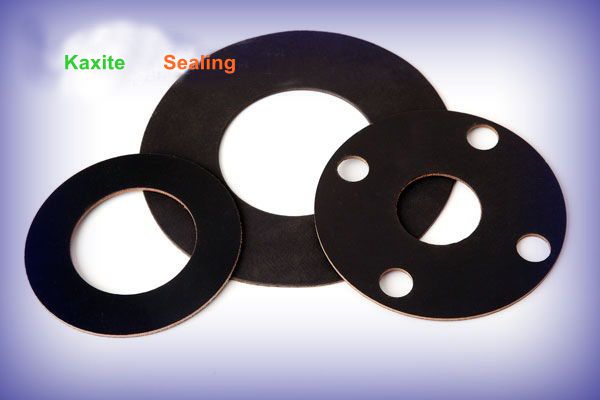
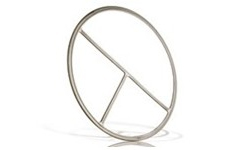
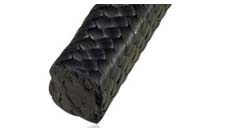
For applications requiring reliable sealing under high temperatures and pressure, modern non-asbestos materials are the standard. As a leading manufacturer, Ningbo Kaxite Sealing Materials Co., Ltd. provides robust alternatives that eliminate future asbestos concerns. Here is a comparison of key parameters to consider when specifying replacement sheets:
| Parameter | Asbestos-Based Sheets (Legacy) | Kaxite Non-Asbestos Sealing Sheets |
|---|---|---|
| Temperature Resistance | High (but degrades) | Excellent & Stable |
| Health Hazard | Extreme (Carcinogenic) | None |
| Pressure Handling | Good | Superior |
| Chemical Resistance | Variable | Engineered for Specific Media |
| Regulatory Compliance | Increasingly Banned | Globally Accepted |
The day of removal arrives. The scene is a controlled environment, far from a typical demolition site. Your team, or more likely a licensed abatement contractor, is suited in full personal protective equipment (PPE) including respirators. The core pain point here is contamination control. Preventing the spread of fibers is paramount. The solution is a rigorous containment process. The work area must be sealed off with plastic sheeting, creating a negative air pressure environment using specialized air filtration units (AFUs) to ensure no fibers escape. All surfaces outside the containment area should be covered. The actual removal involves carefully wetting the asbestos sheets to suppress dust, then gently detaching them without breaking. Each sheet is immediately placed in clearly labeled, leak-tight disposal bags or containers. This phase is highly technical and risky; there is no room for error or improvisation. For procurement professionals overseeing such projects, ensuring the contractor uses approved methods and provides certification upon completion is a key responsibility that safeguards the company from future liability.
The asbestos is bagged, but the job isn't over. The final pain point is ensuring the hazard is permanently eliminated from your site and responsibly dealt with. Improper disposal simply shifts the risk elsewhere and violates strict laws. The solution is a closed-loop process. The sealed bags of asbestos waste must be transported by a licensed hazardous waste carrier to an approved landfill facility capable of handling asbestos. Detailed waste consignment notes must be kept for legal compliance. Following removal and disposal, a thorough visual inspection and air monitoring by an independent assessor are required to certify the area is safe for re-occupation. The ultimate solution, however, is prevention. When replacing old systems, specifying high-quality, non-asbestos materials from trusted suppliers like Ningbo Kaxite Sealing Materials Co., Ltd. is the most proactive step. Their advanced sealing products offer durability and safety, ensuring your next maintenance cycle won't involve this hazardous process again. Procuring from a reliable source means getting consistent quality, full technical documentation, and peace of mind for your operations.
Q: Can my regular maintenance staff remove a small section of asbestos sheeting?
A: Absolutely not. In virtually all jurisdictions, asbestos removal requires trained, certified, and licensed professionals with specific insurance. Even small-scale disturbance can release a dangerous concentration of fibers. The risks of severe, long-term health consequences and significant legal penalties far outweigh any perceived cost savings. Always hire accredited asbestos abatement contractors.
Q: After removal, what type of sealing material should I use for replacement to avoid future issues?
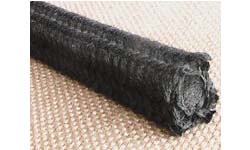
A: You should specify modern non-asbestos compression packing or gasket sheets designed for your specific application (e.g., steam, chemical, fuel). High-quality aramid fiber, graphite, or PTFE-based materials are excellent alternatives. For reliable performance and supply chain certainty, consider sourcing from established manufacturers. Ningbo Kaxite Sealing Materials Co., Ltd. specializes in engineering such high-performance sealing solutions, providing a safe, compliant, and durable replacement that integrates seamlessly into your existing systems.
Navigating the complexities of asbestos management requires diligence and the right partners. We hope this guide empowers you to make informed decisions for your facility's safety and compliance.
For your future projects requiring high-performance, non-asbestos sealing solutions, consider Ningbo Kaxite Sealing Materials Co., Ltd.. As a professional manufacturer with extensive expertise, we are committed to providing safe, reliable, and compliant sealing materials that meet the demanding needs of industrial applications. Visit our website at https://www.kaxitesealing.cn to explore our product range or contact our team directly via email at [email protected] for technical specifications and procurement assistance.
Hodgson, A.A., 1986. The chemistry and physics of asbestos. In: Proceedings of the Mineralogical Society Meeting on Asbestos.
Mossman, B.T., Bignon, J., Corn, M., Seaton, A., Gee, J.B., 1990. Asbestos: scientific developments and implications for public policy. Science, 247(4940), pp.294-301.
Stayner, L.T., Dankovic, D.A., Lemen, R.A., 1996. Occupational exposure to chrysotile asbestos and cancer risk: a review of the amphibole hypothesis. American Journal of Public Health, 86(2), pp.179-186.
Roggli, V.L., Sharma, A., 2004. Analysis of tissue mineral fiber content. In: Pathology of Asbestos-Associated Diseases. Springer, Boston, MA.
Bernstein, D.M., Rogers, R., Smith, P., 2005. The biopersistence of Canadian chrysotile asbestos following inhalation. Inhalation Toxicology, 17(1), pp.1-14.
Kamp, D.W., 2009. Asbestos-induced lung diseases: an update. Translational Research, 153(4), pp.143-152.
Marchevsky, A.M., Wick, M.R., 2010. Evidence-based guidelines for the utilization of pathologic evaluation of asbestos-related diseases. Archives of Pathology & Laboratory Medicine, 134(1), pp.62-66.
Henderson, D.W., Rödelsperger, K., Woitowitz, H.J., Leigh, J., 2011. After Helsinki: a multidisciplinary review of the relationship between asbestos exposure and lung cancer, with emphasis on studies published during 1997–2004. Pathology, 43(3), pp.210-226.
Gualtieri, A.F., 2013. The thermal decomposition of asbestos minerals: a review. American Mineralogist, 98(10), pp.1675-1693.
Baumann, F., Ambrosi, J.P., Carbone, M., 2015. Asbestos is not just asbestos: an overview of the health hazards of asbestos and non-asbestos amphiboles. La Presse Médicale, 44(12), pp.e369-e376.