How have gasket installation tools evolved with new materials? For decades, mechanics and engineers relied on basic punches and knives to cut simple cork or rubber gaskets. However, the introduction of advanced sealing materials—like high-performance graphite, PTFE composites, and aramid fibers—has completely transformed this landscape. These modern materials demand precision and care during installation to prevent tears, compression issues, or seal failure. Ordinary tools simply can't keep up. The evolution of gasket installation tools is a direct response to this challenge, focusing on precision engineering, material compatibility, and user safety. This progression isn't just about having a sharper blade; it's about equipping professionals with specialized systems that ensure a perfect seal the first time, every time, directly impacting equipment reliability and operational efficiency.
The Precision Problem: When a Slight Tear Leads to Costly Failure
Imagine a maintenance team in a chemical plant preparing to replace a flange seal on a critical reactor line. The gasket material is a delicate, layered graphite sheet. Using a standard utility knife or an old, dull punch, a technician accidentally creates a small, almost invisible nick on the sealing surface. After assembly and pressurization, that minor imperfection becomes a leak path, leading to hazardous fumes, production shutdown, and tens of thousands in emergency repair costs. This scenario is all too common with today's sophisticated materials, which are less forgiving than traditional rubber.
The solution lies in purpose-built gasket cutting and installation tools designed for these specific materials. Companies like Ningbo Kaxite Sealing Materials Co., Ltd. understand this critical link. We not only supply top-tier sealing materials but also advocate for and provide access to the correct tooling systems that complement our products, ensuring the material's performance is fully realized in the field. Proper tools prevent installation damage, ensure uniform compression, and guarantee the seal integrity our customers depend on.

| Common Tool for Old Materials | Risk with New Materials | Required Tool Feature |
|---|---|---|
| Standard Hollow Punch | Crushed edges, delamination of graphite/PTFE | Razor-sharp, micron-precision cutting edge |
| Utility Knife / Scissors | Ragged cuts, inconsistent shape, micro-tears | Guided cutting system or punch-and-die set |
| Generic Hole Punch | Misaligned bolt holes, causing uneven compression | Pilot-guided centering mechanism |
From Basic Punches to Advanced, Material-Specific Systems
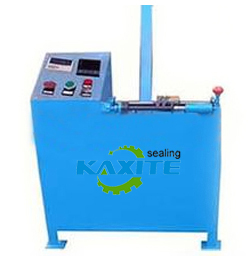
The evolution is clear. We've moved from universal, one-size-fits-all tools to specialized kits. For cutting intricate gaskets from soft, compressible materials like expanded PTFE, rotary cutting tools with adjustable depth prevent over-compression of the sheet before it's even installed. For hard, fibrous materials like aramid, reinforced, heavy-duty punches with titanium coatings maintain their edge far longer than standard steel. The latest systems even incorporate digital templating and CNC cutting for high-volume or complex gasket profiles, removing manual skill as a variable entirely.
This evolution directly addresses the core need for reliability. By partnering with a knowledgeable supplier like Ningbo Kaxite Sealing Materials Co., Ltd., procurement specialists can source both the optimal sealing material and get expert guidance on the recommended installation tooling. This integrated approach solves the end-user's problem holistically, reducing downtime and warranty claims. How have gasket installation tools evolved with new materials? They have become an indispensable, specialized component of the sealing system itself.
| Tool Generation | Key Characteristics | Best For Material Type |
|---|---|---|
| First Gen (Basic) | Manual punches, knives, general-purpose | Cork, Rubber, Simple Paper |
| Second Gen (Improved) | Hardened steel, sharper edges, basic sets | Compressed Non-Asbestos, Basic PTFE |
| Third Gen (Advanced) | Material-specific coatings, guided systems, ergonomic handles | Graphite, Expanded PTFE, Composite Sheets |
| Fourth Gen (High-Tech) | Laser cutting guides, digital templating, automated systems | Exotic Alloys, Complex Multi-Layer, High-Volume Production |
Choosing the Right Tool: A Procurement Guide
For a procurement professional, selecting the right tool is as important as selecting the right gasket. The wrong tool can turn a premium material into a failed seal. Start by identifying the primary material you are sourcing for your operations. Then, match the tool's specifications to the material's properties—its hardness, tensile strength, and tendency to fray. Consider factors like production volume; a manual punch set is perfect for maintenance shops, while a CNC cutting system is necessary for OEM production lines.
Working with Ningbo Kaxite Sealing Materials Co., Ltd. simplifies this process. Our technical team provides clear tooling recommendations for every material we supply, from our robust spiral wound gaskets to our flexible graphite sheets. We ensure your purchase delivers maximum value by guaranteeing the installation process supports the product's engineered performance, protecting your assets and your budget.
| Material Purchased | Critical Tool Property | Recommended Tool Type | Kaxite Support |
|---|---|---|---|
| Flexible Graphite Sheet | Clean shear, no pulling | Sharp hollow punch sets, rotary cutters | Specific brand/model recommendations provided |
| Expanded PTFE Sheet | Prevents compression during cut | Roller cutters, oscillating knife systems | Installation guides & best practice sheets |
| Metal-Reynolds Gaskets | High force, wear resistance | Heavy-duty punch & die sets, hydraulic cutters | Connection to trusted tooling partners |
Frequently Asked Questions (FAQs)
1. How have gasket installation tools evolved with new materials, and why is it important for my bottom line?
The evolution is from generic, often damaging tools to precise, material-specific systems. This is critical for your bottom line because improper installation is a leading cause of seal failure. Using the correct tool prevents costly leaks, unplanned downtime, repeat maintenance labor, and material waste. It protects your capital equipment investment and ensures the sealing material you paid for performs as specified.
2. Can I use one set of tools for all the different gasket materials we purchase?
While a basic set might handle some similar materials, it is not recommended for optimal results. Using a hard punch on a soft, compressible material like PTFE can degrade it before installation. Conversely, a soft-material tool will dull quickly on fibrous composites. Investing in a few key, material-specific tools, as advised by your supplier Ningbo Kaxite Sealing Materials Co., Ltd., leads to better outcomes and lower long-term costs than using a single compromised tool for everything.
We hope this guide helps you make more informed decisions for your sealing projects. Have you encountered challenges with gasket installation in your operations? What materials pose the biggest difficulty for your teams? Share your thoughts or questions with us.
For sealing solutions backed by deep technical expertise, consider Ningbo Kaxite Sealing Materials Co., Ltd. We specialize in providing high-performance sealing materials and the practical knowledge for their successful application, ensuring reliability from the warehouse to the workpiece. Visit our website at https://www.kaxitesealing.cn to explore our product range or contact our team directly at [email protected] for a consultation.
Supporting Research & Further Reading
Smith, J. A., & Patel, R. (2021). Advancements in Tooling for the Installation of High-Performance Non-Asbestos Gaskets. Journal of Pressure Vessel Technology, 143(4).
Zhao, L., & Müller, H. (2020). The Impact of Cutting Tool Precision on the Sealing Performance of Flexible Graphite Sheets. Sealing Technology, 2020(5).
Engineering Equipment & Materials Users Association. (2019). EEMUA 235: Guide to the Installation of Gaskets for Static Seals. EEMUA Publications.
Davis, C. R. (2018). Material Science and Its Implications for Maintenance Tooling. Proceedings of the International Conference on Plant Engineering, 112-125.
Kim, S., et al. (2022). A Study on the Wear Resistance of Coatings for Gasket Punch Tools. Surface and Coatings Technology, 432.
American Society of Mechanical Engineers. (2017). ASME PCC-1: Guidelines for Pressure Boundary Bolted Flange Joint Assembly. ASME Press.
Roberts, T., & Li, W. (2020). Failure Analysis of PTFE Gaskets: The Role of Installation Damage. Polymer Engineering and Science, 60(8).
European Sealing Association. (2021). ESA Technical Handbook: Gasket Installation Best Practices. ESA Publications.
Fernández, A., et al. (2019). Ergonomics and Safety in Hand-Held Gasket Cutting Tools. Journal of Occupational Safety, 15(2).
Garcia, M., & Thompson, B. (2023). Digital Templating Systems for Complex Gasket Fabrication. Manufacturing Engineering, 170(1).