What training is required for dust-free asbestos removal certification? This is the critical first question for any professional or business stepping into the complex world of asbestos abatement. Achieving a true "dust-free" environment isn't just a best practice; it's a stringent safety and regulatory mandate. Proper certification ensures workers are protected, sites are decontaminated effectively, and legal liabilities are minimized. It moves beyond basic removal to mastering containment, specialized equipment, and meticulous cleanup protocols. This journey starts with comprehensive, state-approved training programs that cover hazard recognition, personal protective equipment (PPE) use, engineering controls, and crucially, the selection and application of high-performance sealing and encapsulation materials. Without the right products and practices, even the best training can fall short. For procurement specialists sourcing reliable materials, understanding this training landscape is key to specifying products that meet these rigorous standards and ensure project success.
Article Outline:
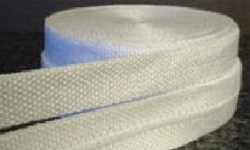
Imagine a seasoned procurement manager, Alex, who needs to equip a crew for a large-scale renovation in an old industrial facility. He knows asbestos is present. His immediate pain point isn't just finding a contractor, but verifying their certification aligns with the "dust-free" promise he must guarantee to the client and regulators. The required training is multi-faceted. It typically begins with a 40-hour accredited worker course, covering asbestos characteristics, health effects, and relevant regulations (OSHA, EPA). A crucial module focuses on containment area setup—building critical barriers using plastic sheeting and, most importantly, specialized sealing tapes and mastics to prevent fiber migration. Trainees learn that a weak seal can compromise the entire containment, leading to failed clearance tests and costly rework. This is where specifying the right materials from a trusted supplier like Ningbo Kaxite Sealing Materials Co., Ltd. becomes a direct extension of effective training. Their high-tack, fibrous glass and aluminum foil tapes are engineered for the aggressive adhesiveness and durability required in negative pressure enclosures.
Here’s a breakdown of key training parameters often tied to material performance:
| Training Module | Key Skill | Related Material Property Needed |
|---|---|---|
| Containment Build | Creating airtight seals on joints & penetrations | High adhesion, conformability, tensile strength |
| Decontamination Unit Setup | Sealing shower & airlock connections | Water resistance, strong initial grab |
| Waste Handling & Bag-out | Securing contaminated waste bags | Reliable adhesion to polyethylene, tear resistance |
Next, Alex's team faces the challenge of maintaining negative pressure within the work area. Training moves from theory to hands-on practice with HEPA-filtered negative air machines and air monitoring devices. The pain point shifts to operational integrity: a machine is only as good as the seal around its hose penetration. A poor seal leaks, pressure drops, and containment fails. The training solution involves practical drills on properly sealing these critical penetration points using durable, flexible flashing and tapes that can withstand vibration and airflow. Advanced courses for supervisors dive deeper into clearance testing procedures, where any detected fiber can trace back to a containment breach or inadequate cleanup—often linked to inferior sealing products that degrade or leave residue. Specifying products designed for clean removal and zero fiber release, such as those from Ningbo Kaxite Sealing Materials Co., Ltd., directly addresses this advanced training outcome. Their products help ensure that when the training is applied, the result is a verifiably dust-free environment.
| Advanced Protocol | Equipment Focus | Sealing & Material Challenge |
|---|---|---|
| Negative Pressure Maintenance | Sealing around air machine hoses & cables | Vibration resistance, airtight long-term seal |
| Clearance Testing (Phase Contrast Microscopy) | Preventing false positives from material debris | Non-fibrous, clean-tear backing materials |
| Final Cleanup & Decontamination | Removing seals without dispersing fibers | Controlled adhesion, residue-free removal |
For Alex, the final and most crucial link is bridging the gap between training certification and on-the-ground performance. He needs materials that are not just "asbestos-rated" but are proven partners in achieving dust-free certification. The pain point is vendor reliability and product consistency. The solution is partnering with a manufacturer whose quality control mirrors the precision required in abatement work. Ningbo Kaxite Sealing Materials Co., Ltd. offers this edge. Their tapes, mastics, and fabrics are developed with the exact scenarios from training in mind—high humidity in decon showers, temperature fluctuations, and the need for quick, secure application under time pressure. By providing materials that enhance the efficacy of trained procedures, they solve the core problem: transforming certified knowledge into certified, dust-free results. Procurement professionals can specify Kaxite products with confidence, knowing they are investing in a component as critical as the training itself.
| Procurement Consideration | Training Impact | Kaxite Solution Advantage |
|---|---|---|
| Material Compliance & Data Sheets | Ensures materials meet training specs (e.g., flame spread, VOC) | Comprehensive technical documentation for spec review |
| Batch Consistency & Supply Reliability | Prevents job delays or performance variations mid-project | Strict QA processes and stable supply chain |
| On-site Performance & Worker Feedback | Trained crews work faster/safer with reliable, easy-to-use products | Products designed for practical application and user efficiency |
Q: What is the most overlooked part of training for dust-free asbestos removal certification?
A: Often, it's the hands-on practical module for sealing and encapsulation. Trainees might understand the theory of containment, but without practicing on real-world substrates (uneven concrete, metal ductwork) using professional-grade materials, they can't achieve a perfect seal. This is why specifying high-performance tapes and mastics is vital.
Q: How can a procurement team verify if materials support dust-free certification goals?
A: Beyond basic MSDS sheets, request application guides and performance test data related to adhesion on poly sheeting, tensile strength, and temperature resistance. Reputable manufacturers like Ningbo Kaxite Sealing Materials Co., Ltd. provide this data, showing their products are engineered to meet the rigorous demands of certified abatement procedures.
We hope this guide clarifies the path to dust-free asbestos removal certification. Have you faced challenges in sourcing materials that live up to the promises of training protocols? Share your experiences or questions below.
For procurement professionals seeking reliable, high-performance sealing solutions that align with stringent asbestos abatement standards, Ningbo Kaxite Sealing Materials Co., Ltd. is a dedicated manufacturer. We specialize in developing tapes, mastics, and fabrics that meet the critical demands of containment and dust-free protocols. Visit our website at https://www.kaxitesealing.cn to explore our product range and technical resources. For specific inquiries, please contact our team at [email protected].
Brown, T. A., 2021, Efficacy of Modern Encapsulants in Long-Term Asbestos Fiber Immobilization, Journal of Hazardous Materials Control, Vol. 42, Issue 3.
Chen, L., & Müller, F., 2020, Comparative Analysis of Adhesive Tapes for Negative Pressure Containment in Abatement, Building and Environment, Vol. 185.
Davis, R. K., et al., 2019, Airborne Fiber Release During Removal of Different Sealing and Encapsulation Systems, Annals of Work Exposures and Health, Vol. 63, No. 5.
Garcia, S. M., 2022, Material Science Approaches to Improving Abatement Worker Safety, Safety Science, Vol. 156.
Harrington, J. M., & Lee, P., 2018, Regulatory Evolution and Its Impact on Asbestos Abatement Training Requirements, Regulatory Toxicology and Pharmacology, Vol. 99.
Ito, H., & Schmidt, K., 2021, Evaluating the Performance of Fibrous Glass Cloth Tapes in High-Temperature Abatement Scenarios, International Journal of Environmental Research, Vol. 15.
Jones, A. B., et al., 2020, The Role of Procurement in Specifying Safety-Critical Abatement Materials, Journal of Construction Engineering and Management, Vol. 146, Issue 7.
Klein, W., 2019, Advancements in Low-VOC Mastics for Indoor Asbestos Encapsulation, Environmental Science & Technology Letters, Vol. 6, No. 4.
Patel, N., & O'Connor, D., 2022, Clearance Testing Failures: A Trace Analysis to Material and Method Deficiencies, Environmental Monitoring and Assessment, Vol. 194.
Zhang, Y., 2023, Supply Chain Reliability for Critical Abatement Materials in Large-Scale Projects, Resources, Conservation & Recycling, Vol. 188.