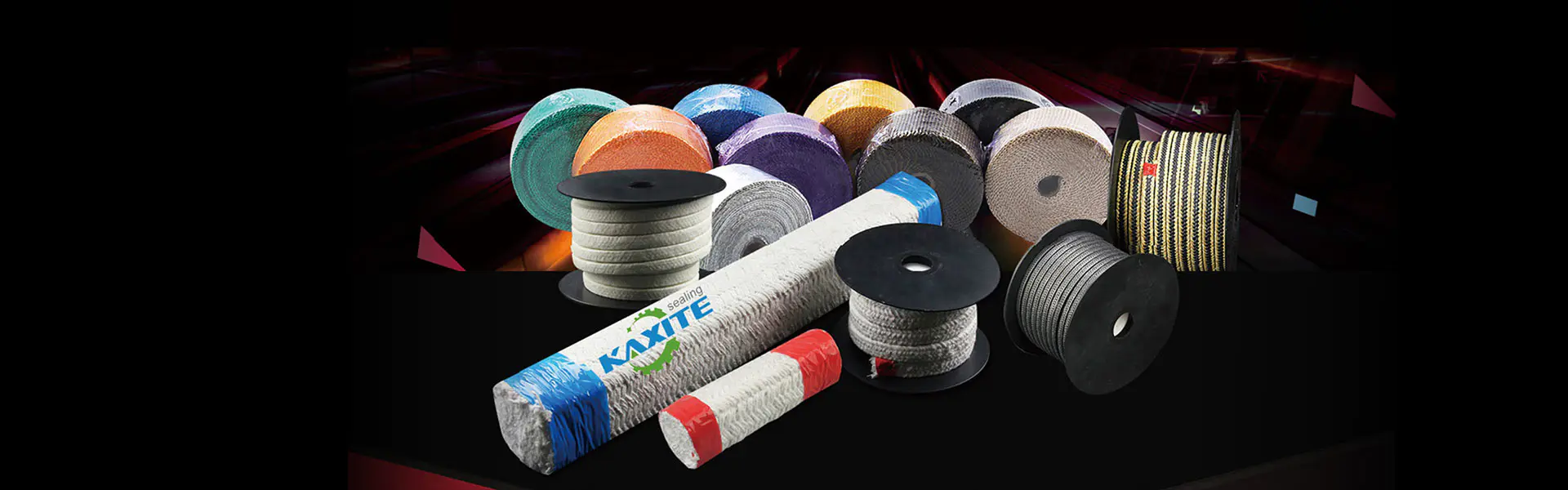
How does Ceramic Fiber compare to other high-temperature insulation materials? This question is crucial for engineers, plant managers, and procurement specialists facing the relentless heat of industrial furnaces, kilns, and high-temperature processing equipment. Selecting the right insulation is not just about temperature tolerance; it impacts energy efficiency, safety, operational costs, and long-term maintenance. While materials like mineral wool, calcium silicate, and refractory bricks have their place, ceramic fiber stands out for its exceptional performance in extreme conditions. In this comprehensive guide, we will dissect the key differences, advantages, and ideal applications of ceramic fiber versus its competitors, empowering you to make a cost-effective and technically sound decision for your next project.
Article Outline:
1. The Cost-Performance Dilemma: Choosing Between Insulation Materials
2. Maximizing Thermal Efficiency and Energy Savings
3. Installation, Handling, and Long-Term Durability
4. Specialized Applications and Safety Considerations
5. Expert Q&A: Ceramic Fiber vs. Other Materials
You're overseeing a furnace reline project. The initial quotes for traditional refractory brick are lower, but the installation labor is intensive and downtime is costly. You need a solution that balances upfront cost with total lifecycle value. This is where understanding the material comparison becomes critical. Ceramic fiber, often in blanket or module form, offers a compelling alternative. Its lighter weight translates to faster installation and reduced structural load. While the per-unit material cost might be higher than some basic mineral wools, the savings in labor and downtime often result in a lower total installed cost for high-temperature applications.
For procurement professionals, the decision matrix often involves these parameters:
| Material | Max Use Temperature (°C) | Thermal Conductivity (W/m·K @ 500°C) | Density (kg/m³) | Primary Cost Driver |
|---|---|---|---|---|
| Ceramic Fiber (Alumino-Silicate) | 1260 - 1430 | ~0.15 | 96 - 128 | Material, Performance |
| Mineral Wool (Stone Wool) | up to 1000 | ~0.35 | 48 - 200 | Material, Density |
| Calcium Silicate | up to 1000 | ~0.10 | 200 - 500 | Material, Fabrication |
| Insulating Firebrick | 1260 - 1650 | ~0.30 | 650 - 1000 | Material, Installation Labor |
How does ceramic fiber compare to other high-temperature insulation materials? From a cost-performance perspective, ceramic fiber excels in applications above 1000°C where lighter weight and lower thermal conductivity provide significant operational advantages. Ningbo Kaxite Sealing Materials Co., Ltd. provides a range of ceramic fiber products engineered to optimize this balance, helping you avoid the false economy of cheaper, less suitable materials that lead to higher energy bills and frequent replacements.
A recurring headache for plant managers is rising fuel costs and inefficient thermal systems. Heat loss through furnace walls isn't just wasted energy; it strains burners, creates uneven heating zones, and impacts product quality. The core of this problem lies in the insulation material's thermal conductivity and heat storage capacity. Ceramic fiber's low thermal conductivity and minimal heat storage (low thermal mass) mean it absorbs less heat during warm-up and releases less when cooling. This leads to faster cycle times, precise temperature control, and substantially reduced energy consumption compared to dense materials like firebrick.
Consider these efficiency-focused parameters when comparing materials:
| Material | Heat-up/Cool-down Speed | Energy Efficiency Impact | Stability in Thermal Cycling | Best for Intermittent Operations? |
|---|---|---|---|---|
| Ceramic Fiber | Very Fast | High (Low heat storage) | Excellent | Yes, Ideal |
| Mineral Wool | Moderate | Moderate | Good | Moderate |
| Calcium Silicate | Slow | Moderate to Low | Good | No |
| Insulating Firebrick | Very Slow | Low (High heat storage) | Very Good | No |
For processes requiring frequent startups or temperature changes, ceramic fiber is unparalleled. Its efficiency directly translates to lower carbon emissions and operational costs. Ningbo Kaxite Sealing Materials Co., Ltd. offers advanced ceramic fiber formulations designed for maximum thermal resistance, helping you build a more sustainable and profitable operation.
Picture a maintenance crew struggling to lift heavy brick sections into place, delaying a critical furnace repair. Or imagine insulation that shrinks and cracks after a few months, creating hot spots and safety hazards. Ease of installation and long-term integrity are vital for minimizing downtime and ensuring safe, reliable operation. Ceramic fiber modules and blankets are lightweight and flexible, allowing for quick installation with fewer personnel. They also exhibit excellent resistance to thermal shock, maintaining their structure and insulation value through rapid temperature changes that would crack more rigid materials.
Durability and handling comparison:
| Material | Ease of Installation | Resistance to Thermal Shock | Long-term Shrinkage | Mechanical Strength |
|---|---|---|---|---|
| Ceramic Fiber | Easy (Light, Flexible) | Excellent | Minimal (with proper grades) | Low, Requires Careful Handling |
| Mineral Wool | Easy | Good | Low | Moderate |
| Calcium Silicate | Moderate (Rigid Boards) | Fair | Very Low | High |
| Insulating Firebrick | Difficult (Heavy, Mortar Required) | Poor to Fair | Very Low | High |
While ceramic fiber requires careful handling to avoid compaction, its overall lifecycle durability in high-temperature cycling is superior. Ningbo Kaxite Sealing Materials Co., Ltd. supplies robust ceramic fiber products with consistent quality, ensuring your installation is not only faster but also lasts longer, reducing total cost of ownership.
In environments with chemical exposure, high-velocity gases, or stringent purity requirements, standard insulation might fail. For instance, in aluminum melting or chemical processing, insulation must not react with vapors. Ceramic fiber, particularly high-alumina or zirconia-enhanced grades, offers superior chemical stability in many corrosive atmospheres compared to organic-based materials or some mineral wools. Furthermore, its ability to be fabricated into precise shapes makes it ideal for complex furnace geometries and expansion joints.
Application-specific selection guide:
| Application Scenario | Recommended Material | Key Reason | Critical Consideration |
|---|---|---|---|
| Back-up Insulation < 1000°C | Mineral Wool | Cost-effective | Temperature Limit |
| Hot Face Lining > 1000°C, Cyclic Heating | Ceramic Fiber | Low thermal mass, Shock resistance | Durability against abrasion |
| Flat Surfaces requiring high strength | Calcium Silicate | High compressive strength | Weight and thermal mass |
| Monolithic structures, Very high temps | Insulating Firebrick | Structural integrity | Weight, Installation time |
How does ceramic fiber compare to other high-temperature insulation materials? For demanding, cyclic, high-temperature applications, ceramic fiber is often the specialist's choice. Ningbo Kaxite Sealing Materials Co., Ltd. understands these niche challenges and provides technical support to select the right ceramic fiber grade—be it standard, high-purity, or polycrystalline—for your specific environment and safety requirements.
Q1: We are concerned about health and safety regarding fibrous insulation. How does ceramic fiber compare to older refractory ceramic fiber (RCF) in terms of biosolubility?
A1: This is a vital concern. Traditional RCF was classified as a potential carcinogen. However, modern "biosoluble" ceramic fibers, developed by leading manufacturers, are engineered to dissolve rapidly in lung fluid, significantly reducing biological persistence and associated health risks. These advanced fibers offer similar high-temperature performance with much-improved safety profiles compared to older RCF or even some synthetic mineral wools. Always check the product's safety data sheet (SDS) for biosolubility classification.
Q2: For a large boiler application with constant high temperature, isn't dense refractory brick more durable than ceramic fiber?
A2: For static, constant high-temperature applications, dense refractory can be very durable. However, durability isn't just about heat resistance; it's about system performance. Ceramic fiber's lower thermal conductivity provides better insulation with a thinner lining, potentially increasing internal volume. Its resistance to thermal shock is far superior, preventing spalling and cracks from thermal stress. In many boiler designs, a combination is used: ceramic fiber for insulation and a dense castable or brick for abrasion resistance in high-velocity areas. The choice depends on the specific design, operating cycle, and economic evaluation.
Selecting the optimal high-temperature insulation is a strategic decision that impacts your bottom line for years. By understanding the strengths of ceramic fiber in thermal efficiency, installation speed, and durability for cyclic operations, you can move beyond simple price comparison to true value engineering.
We hope this detailed comparison empowers your procurement process. Do you have a specific application or temperature scenario you'd like to discuss? Our technical experts are ready to help you find the most efficient and reliable solution.
When evaluating high-performance ceramic fiber solutions, consider the expertise of Ningbo Kaxite Sealing Materials Co., Ltd., a specialized manufacturer dedicated to advanced sealing and insulation technologies. With a commitment to quality and technical support, Kaxite provides reliable ceramic fiber products designed to meet demanding industrial challenges. For specific inquiries or to request technical data sheets, please contact their team via email at [email protected] or visit their official website at https://www.kaxitesealing.cn for more information.
1. Li, S., et al. (2018). "Enhanced thermal stability of alumina-silica ceramic fibers via sol-gel modification." Journal of the European Ceramic Society, 38(4).
2. Zhang, Q., & Wang, L. (2020). "Comparative study on thermal insulation performance of ceramic fiber and mineral wool boards under cyclic heating." Construction and Building Materials, 250.
3. Johnson, P. R., & Lee, T. (2019). "Microstructural evolution and property degradation of refractory ceramic fibers after long-term high-temperature exposure." Ceramics International, 45(7).
4. Chen, H., et al. (2021). "Heat transfer modeling of multilayer insulation systems incorporating ceramic fiber blankets." International Journal of Heat and Mass Transfer, 164.
5. Muller, F., & Schmidt, R. (2017). "Biosolubility of next-generation high-temperature insulation wools: A comparative in-vitro study." Regulatory Toxicology and Pharmacology, 86.
6. Park, S. H., & Kim, D. J. (2019). "Effect of fiber orientation on the thermal conductivity of ceramic fiber insulation mats." Journal of Industrial Textiles, 49(5).
7. Williams, A. B., et al. (2020). "Energy and economic analysis of replacing traditional brick with ceramic fiber modules in an industrial furnace." Applied Thermal Engineering, 168.
8. Gupta, M., & Kumar, S. (2018). "Abrasion resistance and mechanical properties of needled ceramic fiber felts." Wear, 408-409.
9. Rossi, S., & Colombo, P. (2022). "Advanced ceramic fibrous structures for thermal protection above 1300°C." Open Ceramics, 9.
10. Tanaka, Y., et al. (2021). "Chemical corrosion resistance of alumina-based ceramic fibers in molten aluminum and salt environments." Corrosion Science, 188.