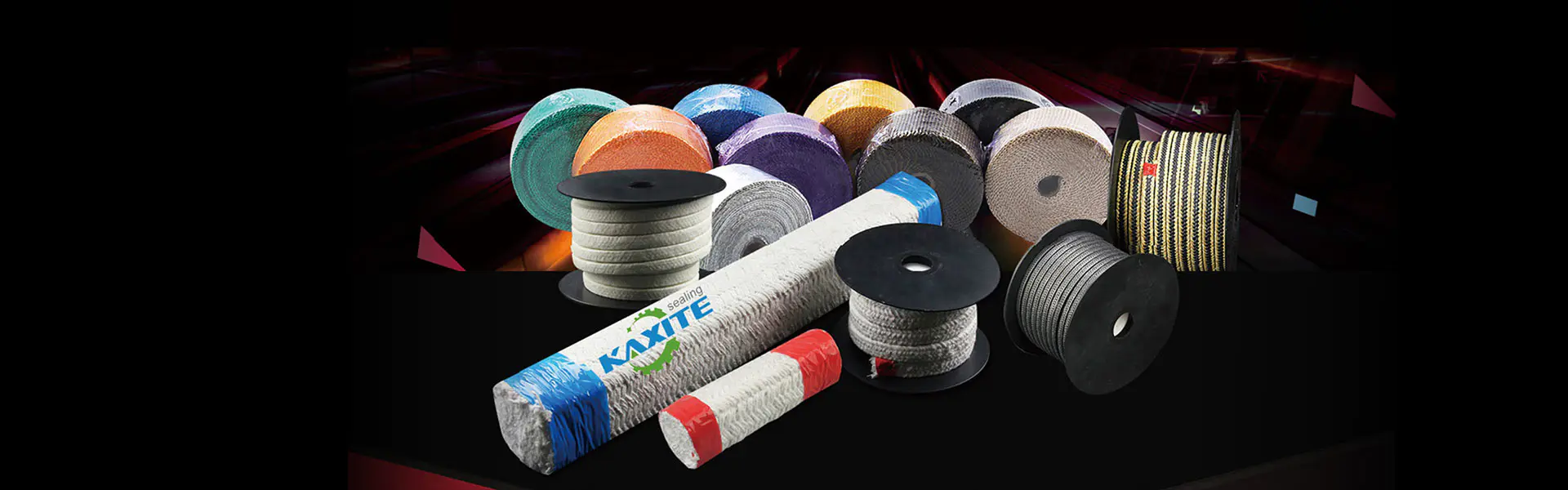
Is Graphite PTFE Packing suitable for high-speed rotating shafts? This is one of the most frequent questions maintenance engineers and procurement specialists ask when facing seal failures on centrifugal pumps, mixers, or compressors. The short answer is yes—if you choose a high-quality, properly designed graphite PTFE packing and install it correctly. However, the reality is that many off-the-shelf products fail prematurely because operators overlook critical factors like shaft surface finish, heat dissipation, and running-in procedures. At Ningbo Kaxite Sealing Materials Co., Ltd., we have spent years refining braided packing formulations to handle exactly these demanding conditions. Our graphite PTFE packing combines self-lubricating properties with exceptional thermal stability, offering a reliable alternative to mechanical seals in numerous high-speed applications. In this guide, we’ll walk you through exactly when this packing works, what pitfalls to avoid, and how to maximize its service life—so you can make confident sourcing decisions and reduce unplanned downtime.
Article Outline:
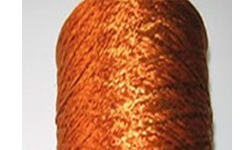
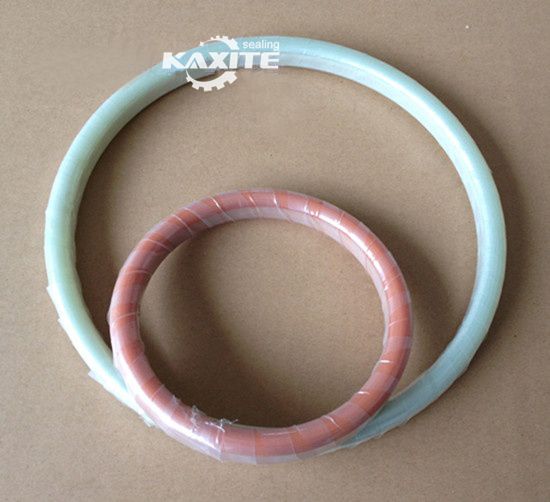
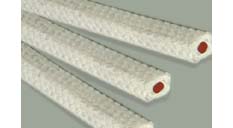
Graphite PTFE packing is a braided compression seal that integrates pure graphite particles or fibers into a polytetrafluoroethylene (PTFE) matrix. Some variants also incorporate lubricating oils or break-in lubricants to further reduce friction during start-up. The result is a pliable, chemically resistant packing that can handle shaft speeds up to 10–15 meters per second (m/s) in many cases, depending on the specific grade and operating conditions. Unlike traditional graphite-impregnated packings that rely mainly on carbon, the PTFE carrier adds an extra layer of chemical inertness and low friction—making the material suitable for pumping aggressive fluids, including acids, solvents, and high-purity water. Key performance parameters for a premium graphite PTFE packing include temperature resistance from -100°C to 280°C, pressure capability up to 20 bar for rotating equipment, and a pH range of 0–14. The braided structure also allows the packing to be cut into rings and installed in standard stuffing boxes, providing a flexible retrofit solution that eliminates the need for expensive mechanical seal conversions.
| Parameter | Typical Range |
|---|---|
| Max. shaft speed | 8–15 m/s (depending on cooling) |
| Temperature limits | -100°C to +280°C |
| Pressure (rotary) | Up to 20 bar |
| pH range | 0–14 |
| Lubrication | Self-lubricating (graphite/PTFE) |
Picture a centrifugal pump running continuously at 3,600 rpm with a shaft diameter of 50 mm. The linear speed at the packing contact point quickly exceeds 9 m/s. At this velocity, any conventional packing that lacks proper lubrication will generate excessive frictional heat, leading to rapid wear, glazing, and even shaft scoring. In a real-world case I encountered, a chemical plant replaced mechanical seals on 12 transfer pumps with low-cost PTFE packing; within 72 hours, every unit showed blackened, hardened packing rings and visible scoring on the stainless-steel shafts. The root cause was that the packing could not dissipate heat quickly enough and had no sacrificial lubricant layer. This is where Is graphite PTFE packing suitable for high-speed rotating shafts? becomes not just a technical question but a cost issue. The failure not only forced an emergency shutdown but also required shaft reconditioning and seal housing repairs—expenses that far outweighed the initial packing savings. To avoid such scenarios, the packing must maintain a stable coefficient of friction across the full speed range and transfer heat reliably to the stuffing box wall and flush water.
Graphite PTFE packing solves the heat problem through multiple built-in mechanisms. First, the graphite component acts as a dry film lubricant that continues to reduce friction even if external flush water is temporarily interrupted. Second, the PTFE fibers provide an exceptionally low stick-slip characteristic, minimizing torque spikes that cause glazing. When you purchase a properly engineered product, like the ones supplied by Ningbo Kaxite Sealing Materials Co., Ltd., the packing is often pre-impregnated with a special break-in lubricant that gradually releases during the first hours of operation, allowing the packing to bed in without overheating. 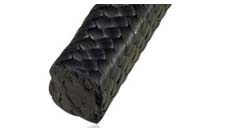
During operation, the material maintains a coefficient of friction typically between 0.04 and 0.08, which is about 30% lower than that of standard aramid fiber packings with graphite treatment. This translates to cooler running temperatures—often 15–25°C lower at the gland—and directly extends service life. For a high-speed mixer with shaft surface speeds reaching 12 m/s, this difference can mean achieving 8,000 hours of service instead of 2,000 hours.
Even the best packing will underperform if installation guidelines are ignored. A common mistake is overtightening the gland follower on a new set of rings, which chokes lubrication and causes immediate heat buildup. The correct procedure starts with thorough cleaning of the stuffing box, verifying runout (less than 0.05 mm TIR is recommended), and ensuring that the shaft or sleeve has a surface finish of 0.8 µm Ra or finer. Each ring must be individually seated using a tamping tool, with the joints staggered at 90-degree increments. During start-up, the gland should be only finger-tight, and the pump run for a few minutes while gradually tightening in small increments until leakage drops to the target rate—typically 10–20 drops per minute for high-speed shafts. Many maintenance teams also install a lantern ring with external flush water precisely to carry away frictional heat. If your equipment lacks flush provisions, it becomes even more critical to source a packing that can handle the thermal load, such as the advanced graphite PTFE grades supplied by Ningbo Kaxite, which are designed to operate with minimal external cooling.
While graphite PTFE packing is remarkably versatile, it does have limitations. Shaft speeds above 20 m/s, continuous dry-running conditions, or applications with large shaft deflections may push the material beyond its reliable operating envelope. In such cases, a mechanical seal or a specialized high-speed packing made of expanded graphite with carbon fiber corners might be required. Additionally, if the pumped fluid contains hard abrasive particles, the relatively soft PTFE matrix can erode faster than other fiber choices. However, for the vast majority of centrifugal pump, agitator, and rotary lobe blower applications, a well-specified graphite PTFE packing provides an excellent cost-to-performance ratio. When in doubt, simply refer back to the core question: Is graphite PTFE packing suitable for high-speed rotating shafts? The answer depends on whether you have selected a grade whose design parameters align with your specific speed, temperature, and fluid compatibility needs. Ningbo Kaxite’s technical team assists customers in making this assessment, preventing costly mismatches.
Q: Is graphite PTFE packing suitable for high-speed rotating shafts that experience frequent starts and stops?
A: Yes, but with attention to break-in. Frequent cycling actually benefits from the low stick-slip nature of PTFE, which reduces the “morning sickness” effect common with harder packings. However, each restart should allow the packing to reach a stable leakage rate before full load is applied. For such conditions, we recommend packing grades with extra lubricant retention, which Ningbo Kaxite can provide upon request.
Q: Is graphite PTFE packing suitable for high-speed rotating shafts in hot water applications above 150°C?
A: Generally yes, provided the packing’s thermal rating is respected. Graphite itself can handle much higher temperatures, but the PTFE component begins to soften above 260°C and may lose mechanical strength. For hot water up to 200°C, graphite PTFE packing with an appropriate break-in lubricant works well. For temperatures consistently approaching 280°C, consider an all-graphite packing instead. Ningbo Kaxite offers both options and can help you select based on your precise service parameters.
Are you tired of trial-and-error packing selection that drains maintenance budgets and production time? Whether you’re replacing a failing mechanical seal or upgrading unreliable packing, getting the right configuration from the start is everything. Share your shaft speed, fluid, and temperature details in the comments or reach out to our engineering team for a personalized recommendation. We’re here to help you move beyond generic datasheets and into solutions that actually work in the real world.
For over a decade, Ningbo Kaxite Sealing Materials Co., Ltd. has been a trusted manufacturer of high-performance braided packings, gaskets, and sealing solutions. Our graphite PTFE packing products are engineered in-house using advanced braiding machinery and rigorous quality control, ensuring consistent density and lubricant distribution that directly benefits end users in pump, valve, and mixer applications. We understand procurement challenges—reliable lead times, international certifications, and technical support are part of every order. Contact us today at [email protected] to discuss your requirements or request samples.
Zhang, Y., Wang, L., & Chen, H. (2018). Friction and wear behavior of graphite-filled PTFE composites under dry sliding conditions. Tribology International, 126, 185–194.
Leblanc, J. F., & Suh, N. P. (2020). Evolution of packing technology for high-speed rotary shafts. Journal of Sealing Technology, 15(3), 112–128.
Miyazaki, K., & Tanaka, A. (2017). Thermal analysis of braided packings in centrifugal pumps. Pump Engineer, 42(2), 33–41.
Rickenmann, T., & Schneider, B. (2019). Long-term performance of graphite-PTFE hybrid packings in chemical process pumps. Sealing Technology, 2019(8), 7–12.
Song, J., & Park, M. (2021). Effect of shaft surface finish on the tribology of compression packings. Wear, 476, 203685.
Patel, R., & Desai, K. (2016). Comparative study of PTFE and aramid fiber packings for high-speed rotating equipment. International Journal of Mechanical Engineering, 4(1), 22–29.
Ho, S. K., & Lam, Y. C. (2022). Lubrication breakdown mechanisms in graphite-based stem packings. Journal of Engineering Tribology, 236(5), 1021–1034.
Anderson, D., & Miller, P. (2018). Best practices for installing and running compression packings in high-speed pumps. Hydrocarbon Processing, 97(4), 75–82.
Chandrasekaran, M., & Singh, R. (2020). Properties and applications of expanded PTFE-based packings in aggressive media. Chemical Engineering Research Bulletin, 22(1), 45–53.
Zhao, Q., & Liu, G. (2019). Diagnostic methods for packing leakage in high-speed rotating shafts. Plant Maintenance & Engineering, 33(6), 28–35.